When building or adding a room, one question almost always comes up: should you use lightweight blocks (hebel), concrete blocks (batako), or red bricks? All three are used for house walls in Indonesia, but they differ in weight, laying speed, the adhesive or mortar they need, and the total cost of the job. This article compares them in general terms so you can have a more productive discussion with your builder or contractor.
Getting to know the three types of masonry
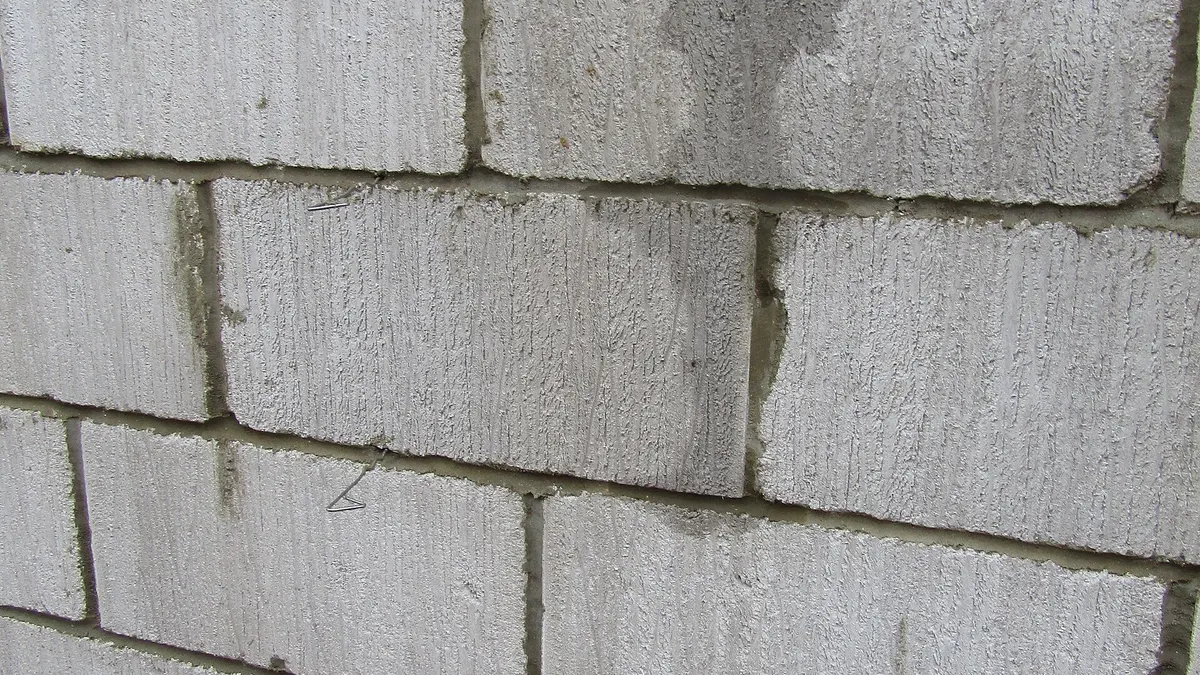
- Lightweight block or hebel (AAC): porous lightweight concrete produced by aeration and pressurized steam curing. The blocks are large and precise; Anakjuragan stocks Bata Ringan Hebel 60x20x10 cm. Its national standard is SNI 8640:2018, which among other things specifies a length of 600 mm and a height of 200 mm with several thickness options.
- Batako (concrete block): a block made from a mix of cement, sand, and sometimes ash or fine gravel, molded with a press. It is medium-sized; one example is Batako Press 40x20x10 cm.
- Red brick: clay that is molded and then fired. The bricks are small, so many are needed for one square meter of wall. This is the most traditional material and is easy to find in almost every region.
Weight and load on the structure
Hebel is the lightest per volume because of its porous structure. A lighter wall means less load on the ground beams, columns, and foundation, which is an advantage especially for second floors or buildings on soft ground. Batako is heavier than hebel because it is solid, while red brick walls are also fairly heavy because of the thick layer of cement and sand mortar at every joint.
That said, wall weight is not the only structural consideration. A house with hebel walls still needs small reinforcing columns and lintel beams built to proper practice, just like walls of any other masonry.
Related products in storeCheck the latest price and stock from this article. See productsLaying speed
Block size largely determines how fast the work goes. A simple estimate can be made from the face area of each unit:
- Hebel 60x20 cm: a face area of 0.12 square meters, so one square meter of wall needs about 8 to 9 blocks.
- Batako 40x20 cm: a face area of 0.08 square meters, so it needs about 12 to 13 blocks per square meter.
- Red brick: because the bricks are small, dozens are needed for one square meter of wall.
The figures above do not yet account for joint thickness and cut-off waste, so add a reasonable reserve when ordering. The fewer units there are, the fewer joints need to be made, so hebel is generally the fastest to lay. The flat surface of hebel also means its plaster can be thinner.
The adhesive or mortar required
This is where the difference in working method is most noticeable:
- Hebel is laid with a special thin-bed adhesive, generally about 3 mm thick according to manufacturer instructions. The store stocks Mortar Instan MU-380 Perekat Bata Ringan 40 Kg (a ready-mix lightweight block adhesive) that only needs to be mixed with water.
- Batako and red brick are laid with a thicker cement and sand mortar, usually about 1 part cement to 4 to 5 parts sand.
- Laying hebel with a thick cement and sand mortar is not recommended, as it wastes material and can lead to cracks due to the different characteristics of the materials.
Overall relative cost
Comparing the price per unit alone is often misleading, because the number of units per square meter varies greatly. What needs to be calculated is the cost per square meter of finished wall, which covers the masonry units, adhesive or mortar, plastering, and labor.
- Hebel: the price per unit is higher, but fewer units are needed, the adhesive is thin, and laying is fast, so labor and plastering can be cheaper.
- Batako: the material is relatively economical and fairly quick to lay, but it still needs cement and sand mortar and thicker plaster if the surface is uneven.
- Red brick: the price per brick is low, but the number of bricks, mortar, and laying time are the highest, so the total cost can approach or exceed the other options in areas with high labor costs.
Because material prices and labor rates differ by region, the best approach is to ask your builder to calculate the requirements per square meter for each option and then compare them. You can check the latest prices of blocks and adhesive directly at Anakjuragan.
Which one should you choose?
- Choose hebel if you want fast work, a light load, and flat walls, for example for a second floor or a renovation on a tight schedule.
- Choose batako for fences, storerooms, or simple buildings where economical materials are the priority.
- Choose red brick if builders in your area are used to it and the material is easy to get, or for an exposed brick look.
Whatever you choose, make sure the columns, beams, and wall joints are built according to proper practice. For multi-story buildings or structural changes, consult an experienced builder or a structural engineer before starting work.
FAQ
How many 60x20 cm hebel blocks are needed for 1 square meter of wall?
Based on face area, about 8 to 9 blocks per square meter. Add a reserve for cuts at corners and door or window frames, and for blocks damaged during delivery.
Can hebel be laid with ordinary cement and sand?
It is not recommended. Hebel is designed for a ready-mix thin-bed adhesive about 3 mm thick. A thick cement and sand mortar is more wasteful and can lead to cracks.
Is a batako wall stronger than a hebel wall?
Wall strength is determined not only by the type of masonry, but also by product quality, the adhesive or mortar, and the presence of small reinforcing columns and beams. All three types can produce a good wall when laid according to proper practice.