Almost every home keeps batteries: for the TV remote, wall clock, children's toys, flashlights, digital scales, and measuring tools. Two of the most sought-after types are AA alkaline batteries and 9V box batteries. Both look simple, but choosing, storing, or disposing of them the wrong way can damage devices quickly, cause leaks, or even trigger a small short circuit. This guide helps you choose and handle batteries correctly.
Getting to know AA and 9V batteries
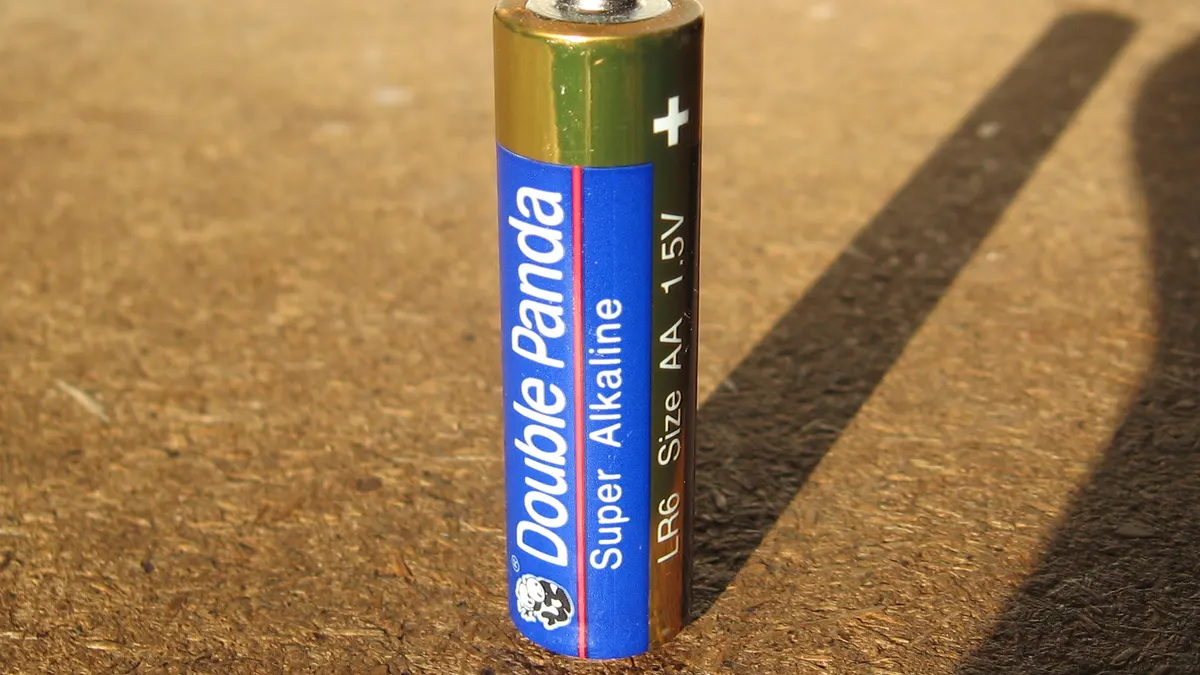
AA batteries are cylindrical with a nominal voltage of 1.5 volts each. This is the most common size and is often used in pairs or more to provide the voltage a device needs. A 9V battery is box-shaped with two snap terminals on top, and delivers 9 volts in a single unit. This difference in shape matters because both terminals of a 9V battery are on the same side, so they are more easily short-circuited by metal objects.
Which devices use which battery
- AA: TV and air conditioner remotes, wall clocks, toys, small flashlights, wireless mice, kitchen scales, and portable radios.
- 9V: smoke alarms or detectors, multimeters, some wireless microphones, certain electric musical instruments, and some toys.
- Always follow the battery type and size written on the device or in its manual. Do not force a different battery with a different voltage.
For devices that use little power but run for years, such as wall clocks and remotes, alkaline batteries generally last a long time because they lose charge slowly in storage. Devices used for long periods, such as motorized toys and bright flashlights, drain batteries faster, so it is worth keeping spares.
Related products in storeCheck the latest price and stock from this article. See productsTips for choosing and fitting batteries
- Choose alkaline batteries for devices used regularly or needing steady power, such as flashlights and motorized toys.
- Check the expiry or best-before date printed on the packaging or the battery itself.
- Fit them according to the plus and minus marks inside the battery compartment.
- Replace all batteries in a device at the same time. Battery makers advise against mixing old and new batteries, or different brands or types, because it can reduce performance and cause leakage.
- Remove batteries from devices that will not be used for a long time.
How to store batteries safely
Batteries should be stored in a dry place at room temperature, in their original packaging or a plastic container, with the terminals not touching each other. Avoid keeping loose batteries in a drawer with keys, coins, paper clips, or metal tools. 9V batteries need extra attention because their terminals are close together. Cover both terminals with tape or electrical tape when storing them outside the packaging. Keep all batteries, especially small button cells, out of reach of children, as they are dangerous if swallowed.
If a battery leaks
A leaking alkaline battery usually shows white crust or liquid at its terminals. This substance is corrosive and can irritate skin and eyes. Wear gloves, remove the battery, and clean the contacts inside the device with a slightly damp cloth or cotton bud, then dry them. Wash your hands afterward. If the liquid gets into the eyes, rinse immediately with running water and seek medical help.
Do not try to recharge ordinary alkaline batteries in a rechargeable battery charger. Batteries not designed to be recharged can heat up, leak, or burst. Only recharge batteries marked rechargeable, with a suitable charger.
Disposing of used batteries properly
Batteries contain metals and chemicals that can pollute soil and water if thrown away carelessly. In Indonesia, used batteries count as waste containing hazardous materials, so they should be separated from ordinary household waste.
- Collect used batteries in a dry, closed plastic container, separate from other waste.
- Tape the terminals of 9V batteries and any other batteries that still hold a charge before collecting them.
- Hand them in at an e-waste or battery collection point, a waste bank that accepts hazardous waste, or ask your local environmental agency.
- Never burn batteries or throw them into rivers and drains.
FAQ
Can I mix new and old batteries in one remote?
Better not. Battery makers advise replacing all batteries at once, because mixing old and new batteries can reduce performance and cause leakage.
Why should 9V batteries be taped when stored?
Both terminals of a 9V battery are on the same side, so they are easily short-circuited by metal objects such as keys or coins. Tape prevents that.
Where should used batteries go?
Separate them from ordinary waste, collect them in a closed container, then hand them in at an e-waste collection point, a waste bank that accepts hazardous waste, or ask your local environmental agency.