Every home produces rubbish every day: vegetable scraps, fruit peel, instant noodle wrappers, drink bottles, even used batteries. If everything goes into one bag, the rubbish quickly smells, attracts flies and rats, and is hard to recycle. Law Number 18 of 2008 on Waste Management makes waste management a shared responsibility, including reducing and handling waste right from its source. Households are the most important starting point.
Sort rubbish into several groups
Sorting does not have to be complicated. Start with two or three containers, and add more once you are used to it.
- Organic waste: food scraps, vegetables and fruit, coffee grounds and tea leaves, dry leaves. It rots easily and causes odours fastest.
- Recyclable inorganic waste: plastic bottles and cups, cardboard, paper, cans, glass bottles. Give them a quick rinse and let them dry so they do not smell.
- Residual waste: disposable nappies, sanitary pads, dirty tissues, and foil-lined wrappers that are hard to recycle.
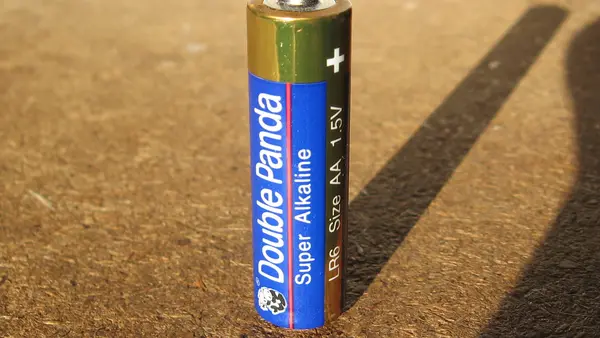
- Hazardous household waste: used batteries, used lamps, pesticide and mosquito repellent containers, leftover paint, and expired medicines. Do not mix these with other rubbish.
Choosing and using bin bags
- Use a bin with a lid, lined with a bin bag of the right size so it does not tear when lifted.
- Large black plastic rubbish bags suit residual waste and kitchen waste that will be collected by waste workers.
- Do not overfill bags; tie them tightly before putting them out.
- Wrap broken glass or sharp objects in paper or cardboard and label them so waste workers are not injured.
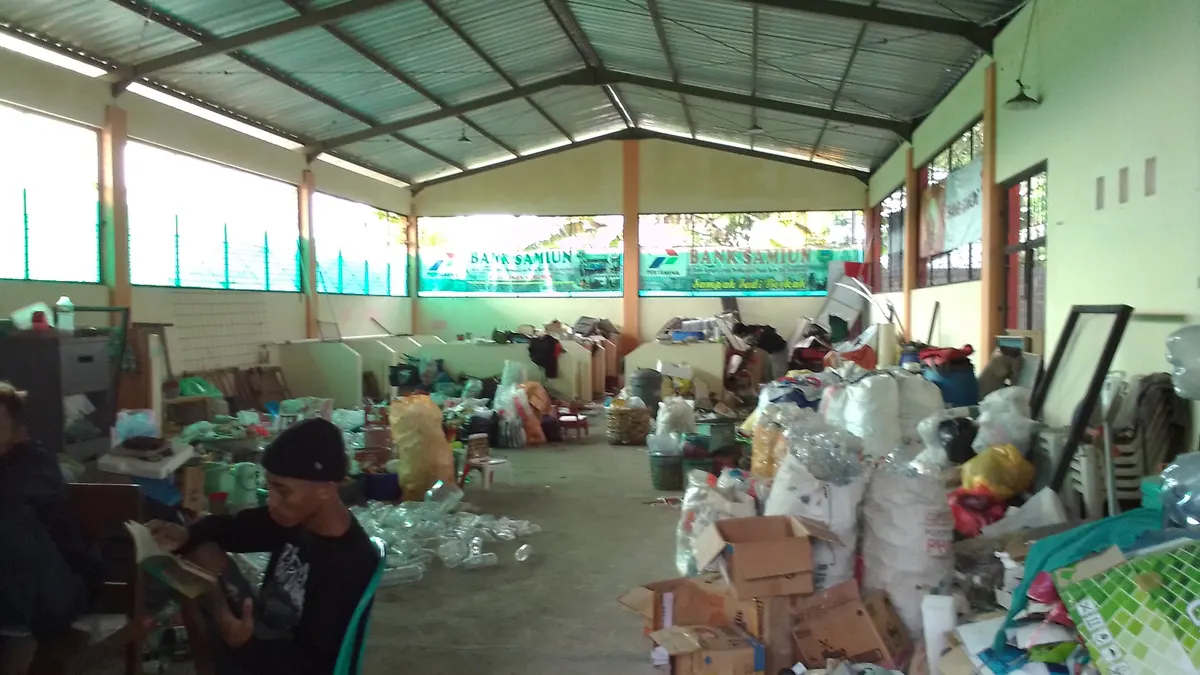
- Clean, dry inorganic waste can be collected in a separate box or sack until there is enough to take to a waste bank or collector.
How to reduce rubbish odours
- Drain liquid from soupy food scraps before throwing them away. Liquid is the main cause of smells and leaks.
- Wrap fish, meat, and bone scraps tightly and throw them out the same day.
- Keep organic waste separate from inorganic waste so only one container smells quickly and needs frequent emptying.
- Take out kitchen rubbish every day, especially in hot weather.
- Wash and dry your bins regularly, and leave them in the sun for a while.
- Keep bins in a shaded, breezy spot, with the lid tightly closed so flies cannot get in.
Organic waste can also be turned into compost if you have a yard, for example using a simple composting container. Compost is good for the plants in your garden and reduces the amount of rubbish that needs to be collected.
Do not pour used cooking oil into the kitchen sink or drains, because it can solidify and block the pipes. Let it cool, strain it, then collect it in a closed bottle. In some areas, waste banks or collectors accept used cooking oil, so ask your neighbourhood head (RT) or the nearest waste bank.
Reduce waste from the moment you shop
- Bring your own shopping bag and refuse plastic bags you do not need.
- Choose large packs or refills for items you use often, such as soap and detergent.
- Shop from a list so food is not wasted by going past its expiry date.
- Keep leftovers in closed containers and finish them rather than throwing them away straight away.
- Reuse containers that are still in good condition, such as jars or boxes, for storage.
The role of small shops and businesses
Eateries and grocery shops produce more packaging waste and food scraps. Provide separate bins for customers, collect cardboard and bottles to take to a waste bank, and arrange a regular collection schedule with local waste workers so rubbish does not pile up in front of the business.
Sorting rubbish at home is a small step that makes the environment cleaner and healthier. Rubbish bags, brooms, dustpans, and rubber gloves for cleaning are available at Anakjuragan.
FAQ
What is the simplest way to sort rubbish?
Start with two containers: organic waste such as food scraps, and inorganic waste such as plastic, paper, and cans. Also keep used batteries and lamps separate as hazardous waste.
Why does the kitchen bin smell so quickly?
Usually because soupy food scraps and organic waste are mixed with other rubbish and left for more than a day. Drain liquids, separate organic waste, and empty the bin daily.
Where should used batteries go?
Collect them separately in a closed container and hand them in at a hazardous waste collection point provided by your local government, a waste bank, or a special collection programme in your area. Do not burn them.