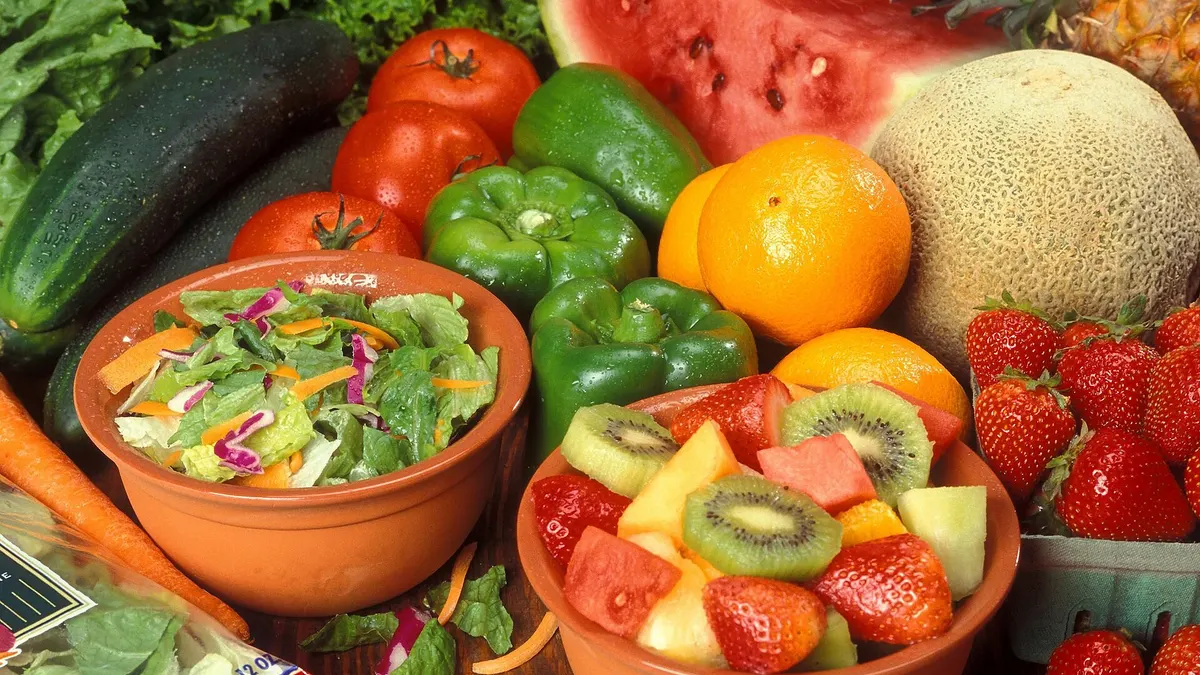
Buying vegetables and fruit for several days at once saves time and money. The problem is that spinach wilts quickly, tomatoes turn soft, and bananas suddenly go black. The good news is that most of this spoilage can be prevented with the right storage. It comes down to three things: temperature, humidity, and keeping apart produce that affects each other. This guide applies to home kitchens as well as small food stalls that prepare fresh ingredients every day.
First, know that not everything belongs in the fridge
A refrigerator slows ripening and decay, but not all vegetables and fruit tolerate cold. Some tropical fruits are actually damaged when kept too cold, for example developing spots, turning mushy, or losing flavor. This is known as chilling injury. Bananas, avocados, and ripe tomatoes are among the produce sensitive to cold, according to FAO guidance on storing horticultural crops.
As a general rule, the following vegetables and fruit are better kept at a cool, dry room temperature, away from direct sunlight:
- Shallots, garlic, and onions: keep them in a ventilated container or basket so air can circulate, away from damp places.
- Potatoes, sweet potatoes, and cassava: store in a dark, dry place. Potatoes exposed to light can turn greenish, and the green parts are best discarded.
- Unripe tomatoes: leave them at room temperature until their color is even.
- Bananas, avocados, mangoes, and papayas that are still firm: let them ripen at room temperature first.
- Ginger, turmeric, and lemongrass: a dry, airy spot is enough.
Vegetables and fruit that should go in the fridge
Vegetables that wilt quickly and fruit that is already ripe last longer in the fridge. Aim for a fridge temperature of around 4 to 5 degrees Celsius or lower, and keep vegetables in the crisper drawer, where humidity is better maintained.
- Leafy greens such as spinach, water spinach (kangkung), and mustard greens: remove damaged leaves, dry them, then wrap in a paper towel or clean cloth before putting them in a container or bag.
- Carrots: cut off the green tops if there are any, then store in a dry bag.
- Cucumbers, green beans, long beans, and broccoli: keep in a plastic bag or closed container and make sure the surface is dry.
- Sweet corn: store it with the husk on so it does not dry out quickly.
- Ripe fruit and cut fruit: put in a closed container and finish within a few days.
Spring onions and celery can be kept by standing the base of the stems in a little water in a glass and changing the water regularly. This is also handy when the fridge is full.
Related products in storeCheck the latest price and stock from this article. See productsKeep ethylene-producing fruit separate
Fruit and vegetables release ethylene, a natural gas that speeds up ripening. Some produce gives off quite a lot of it, such as apples, bananas, avocados, pears, and onions. When stored close to sensitive vegetables like leafy greens, cucumbers, or carrots, those vegetables can yellow, wilt, or change in taste more quickly.
So store ethylene-producing fruit in a separate container or shelf away from vegetables. On the other hand, you can put ethylene to good use: if you want an avocado or mango to ripen faster, keep it in a paper bag with a ripe banana or apple.
How to wash produce properly
Many people wash all their vegetables as soon as they get home. However, vegetables stored wet rot and turn slimy faster. It is better to wash them just before cooking or eating. If you have to wash them in advance, dry them thoroughly before storing.
- Wash your hands with soap before handling food.
- Remove any damaged, bruised, or rotten parts.
- Rinse vegetables and fruit under running water. Do not use soap or detergent, as it can be absorbed into the food.
- For firm-skinned produce such as melons or cucumbers, scrub gently with a clean produce brush.
- Still wash fruit you plan to peel, so dirt on the skin is not carried into the flesh when you cut it.
- Dry with a clean cloth or kitchen paper.
Small habits that make ingredients last longer
- Buy only what you need for the next few days of meals, especially leafy greens, which wilt the fastest.
- Follow the first in, first out rule. Put older stock at the front so it is not forgotten.
- Check the crisper drawer every two or three days and remove anything starting to spoil so it does not affect the rest.
- Do not overpack the fridge, because cold air needs to circulate.
- Overripe fruit can still be turned into juice, pudding, or cake before it goes completely bad.
With the right storage, vegetables and fruit stay fit to cook for longer and less food goes to waste. When your supplies at home start running low, you can stock up on fresh vegetables and fruit at Anakjuragan and check the latest prices directly on the product pages.
FAQ
Can tomatoes be stored in the fridge?
Unripe tomatoes are best left at room temperature until their color is even. Ripe tomatoes can be kept in the fridge for a few days to slow spoilage, but take them out for a while before eating so their flavor comes through better.
Do vegetables need to be washed with soap?
No. Simply rinse under running water and scrub gently for firm-skinned vegetables or fruit. Soap and detergent can be absorbed into the food.
Why do bananas make other fruit ripen faster?
Ripe bananas produce ethylene gas, which speeds up the ripening of nearby fruit and vegetables. Keep bananas away from vegetables if you want the vegetables to last longer.