Buying staple groceries (sembako) once a month helps families manage their budget, cut down on trips to the shop, and make sure the kitchen does not run out of basics mid-month. To avoid buying too much or too little, monthly shopping should start with a clear list. Below is a sample list for a small family of 3 to 4 people, for example two adults and one or two children, along with estimated quantities.
Main staples
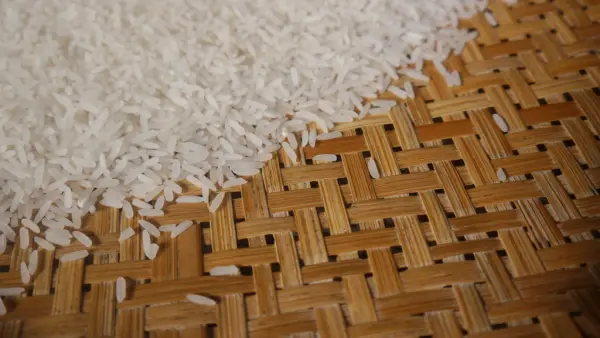
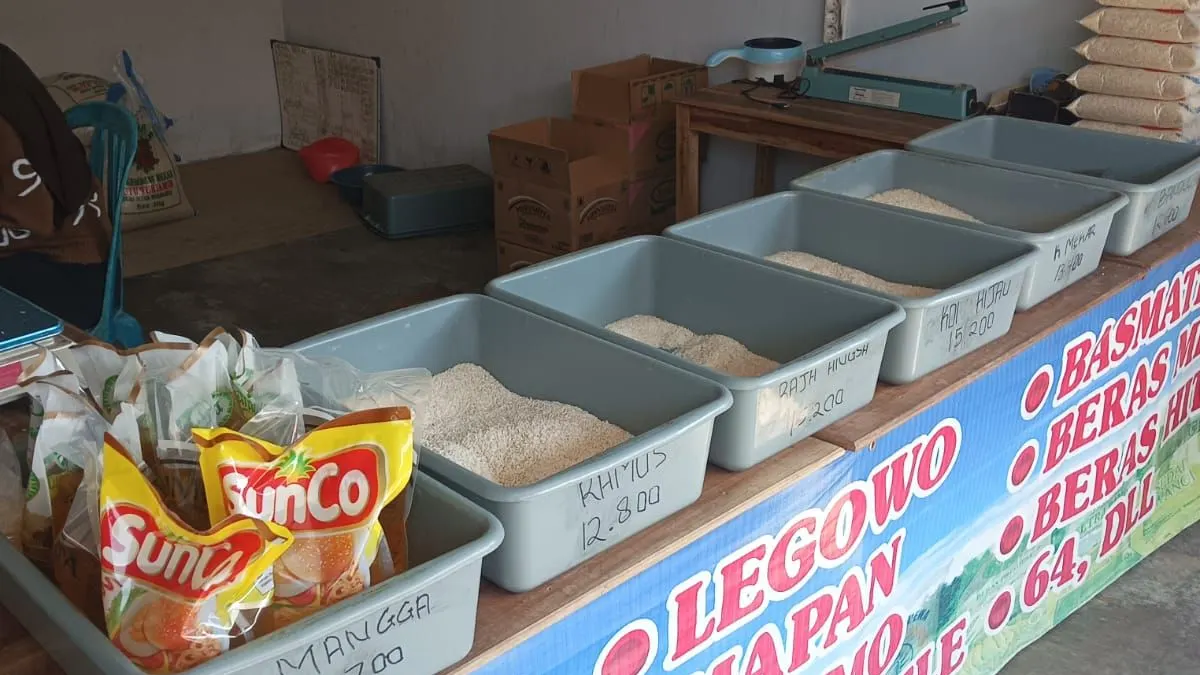
- Rice: about 15 to 25 kg. Families who eat rice three times a day and have teenagers are usually at the upper end.
- Cooking oil: about 2 to 4 liters, depending on how often you fry.
- Granulated sugar: about 1 to 3 kg. More if the family often drinks sweet tea or coffee.
- Iodized salt: about 250 to 500 g. One pack usually lasts more than a month.
- Sweet soy sauce (kecap manis): about 1 to 2 medium bottles.
- Dry seasonings such as ground pepper, stock powder, or flavor enhancer: one pack of each, according to your family's taste.
Long-lasting side dishes and extras
Besides the staples, keep a few shelf-stable items as backup for side dishes. These come in handy when you have not had time to go to the market or when guests drop by unexpectedly.
- Mung beans, peanuts, or soybeans: about 500 g to 1 kg of each for porridge, peanut sauce, or homemade tempeh and soy milk.
- Instant noodles and rice vermicelli: a modest amount as backup, not as the main meal every day.
- Canned food such as corned beef: a few cans as an emergency reserve.
- Margarine or butter: about 1 to 2 small packs for sauteing or spreading on bread.
- Coffee, tea, and biscuits: according to your family's habits.
- Bottled or gallon drinking water: calculate based on the daily drinking needs of every family member.
Fresh seasonings and weekly needs
Shallots, garlic, chilies, and vegetables should not be bought for a whole month because they wilt or sprout quickly. Shallots and garlic can still be bought in amounts of about 500 g to 1 kg for two weeks if kept in a dry, airy place. Vegetables and fruit are better bought weekly, or twice a week for leafy greens.
Money-saving tips for monthly shopping
- Check what is already in your kitchen before writing the list, so you do not buy items you still have.
- Draft a rough meal plan for the month. From there, it is easier to work out what ingredients you need.
- Compare prices per kilogram or per liter, not per pack. Larger packs are often cheaper per unit, but make sure you will use them up before they expire.
- Split your list into must-haves and extras. Buy the must-haves first.
- Shop after eating, not when hungry, so you are not tempted to buy too many snacks.
- For shop owners, note which items sell out fastest and stock more of them, while slow-moving items are bought only as needed.
How to store supplies so they last the month
- Rice: transfer it to a clean, dry, airtight container, keep it in a cool place, and not directly on the floor. Finish the old stock before pouring new rice into the same container.
- Cooking oil: close it tightly after use and keep it away from the stove and direct sunlight.
- Sugar and salt: store in tightly closed jars so they do not clump or attract ants.
- Beans and flour: use airtight containers and check regularly for weevils or a musty smell.
- Powdered seasonings: close tightly after opening and keep in a dry place.
- Always read the expiry date and place items that expire sooner at the front of the shelf.
You can copy this list into a note on your phone and tick items off as you buy them. To make it easier, most of the staples above are available at Anakjuragan. Check the latest prices at Anakjuragan before setting your budget, as prices of basic goods can change over time.
FAQ
How many kilograms of rice does a family of 4 need per month?
As a rough estimate, about 15 to 25 kg, depending on the ages of family members and how often you eat rice at home. Record your usage in the first month to get the right figure.
Should vegetables and fresh seasonings be bought monthly?
Preferably not. Vegetables, chilies, and fresh seasonings wilt quickly, so it is better to buy them weekly. Monthly purchases should be dry, long-lasting items such as rice, oil, sugar, and salt.
How do I keep weevils out of rice?
Store rice in a clean, dry, airtight container, keep it in a cool place, and finish the old stock before adding new rice.