Tooth decay and bleeding gums are among the most common health complaints in Indonesian families, from children to grandparents. The good news is that most of these problems can be prevented with simple habits at home: brushing the right way, using fluoride toothpaste, and choosing a suitable toothbrush. This guide sums up the advice commonly given by dental health workers so the whole family can put it into practice easily.
Why fluoride toothpaste?
Fluoride helps strengthen tooth enamel and protects it from the acid produced by plaque bacteria, making teeth more resistant to decay. The UK National Health Service (NHS) recommends brushing with fluoride toothpaste twice a day, including last thing at night. In Indonesia, the common advice is to brush at least twice a day, in the morning after breakfast and at night before bed.
How to make sure a toothpaste contains fluoride: check the ingredient list on the pack. Fluoride is usually listed as sodium fluoride or sodium monofluorophosphate. Many family toothpastes on the market, including herbal variants, list this ingredient, but always check the label.
How much toothpaste for children and adults
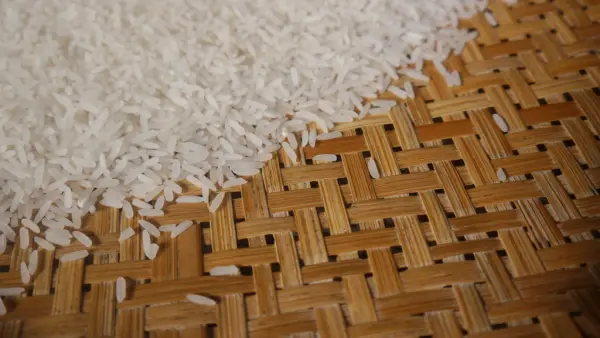
- Children under 3: just a thin smear of fluoride toothpaste, about the size of a grain of rice.
- Children aged 3 to 6: a pea-sized amount.
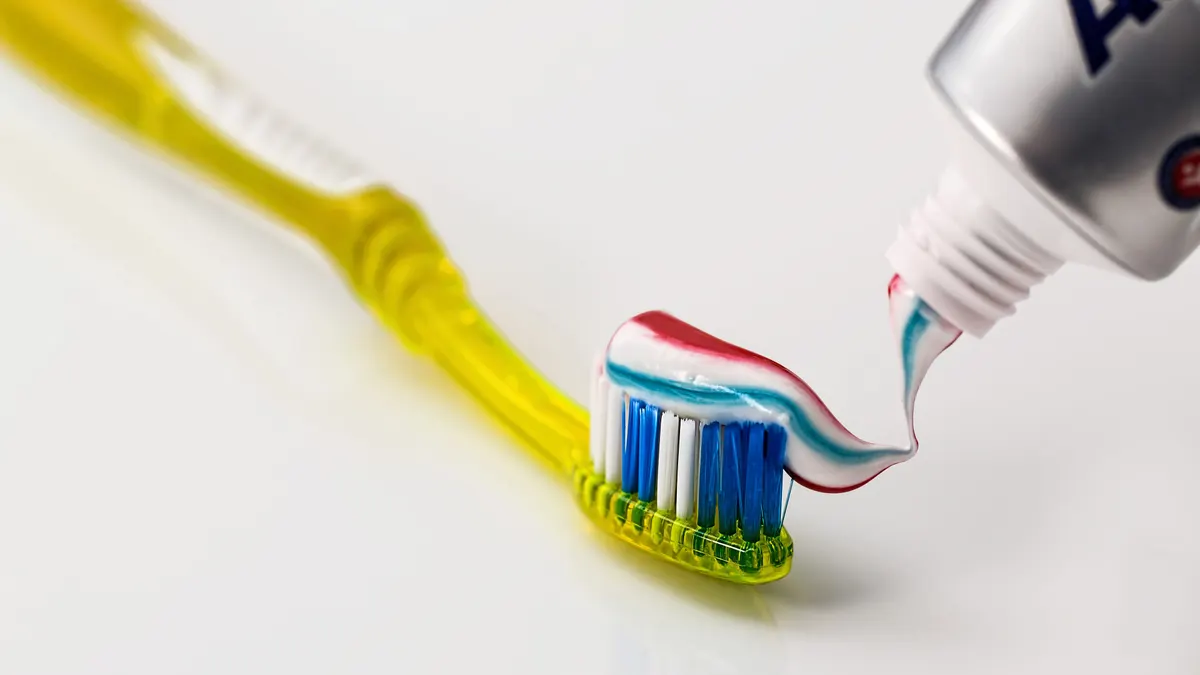
- Older children and adults: a modest amount; about pea-sized is enough.
- Parents should brush their children's teeth or supervise them, and teach children to spit out the toothpaste rather than swallow it.
- Keep toothpaste tubes out of toddlers' reach; children should not lick or eat toothpaste from the tube.
Choosing the right toothbrush
The American Dental Association (ADA) recommends a soft-bristled toothbrush. Hard or medium bristles can hurt the gums and wear away enamel if you brush too hard. Choose a brush head that is not too large so it can reach the back molars easily, with a handle that is comfortable to hold. For children, choose a children's brush with a small head.
- Replace your toothbrush every three to four months, or sooner if the bristles are splayed or damaged.
- After use, rinse the brush with water and store it upright to air-dry.
- Do not cover a wet toothbrush or keep it in a closed container, because damp, enclosed spaces help bacteria grow.
- If several brushes share one cup, keep them apart so they do not touch.
- Never share toothbrushes, including between family members.
How to brush your teeth properly
- Wet the brush, then add fluoride toothpaste in the right amount for your age.
- Angle the bristles slightly towards the gum line.
- Brush with short, gentle strokes, one group of teeth at a time, without pressing hard.
- Clean every surface: the outer side, the inner side facing the tongue and palate, and the chewing surfaces.
- Brush for about two minutes so every area is reached.
- Gently brush your tongue as well to reduce bacteria that cause bad breath.
- Spit out the leftover toothpaste. The NHS advises not rinsing straight away with lots of water so the fluoride keeps working on the tooth surface.
Supporting habits for the family
- Cut down on sugary snacks and drinks between meals, especially before bed.
- Do not let children fall asleep drinking milk or sweet drinks from a bottle.
- Have teeth checked by a dentist or at a puskesmas (community health centre) regularly, for example every six months, or right away if a tooth hurts, has a cavity, or the gums are swollen.
- Make brushing together a family routine so children get used to it.
To keep children from getting bored, let them pick a toothbrush in their favourite colour, or brush while counting or singing for about two minutes. Parents should keep helping and checking the result until the child is skilled enough. For gaps between teeth that a brush cannot reach, ask your dentist whether dental floss is needed and how to use it properly.
Fluoride toothpaste and a soft-bristled toothbrush are inexpensive essentials with big benefits. You can restock Pepsodent and Formula Soft toothbrushes at Anakjuragan along with your monthly shopping.
FAQ
How much toothpaste should a toddler use?
For children under 3, a thin smear about the size of a grain of rice, and for ages 3 to 6, a pea-sized amount. Supervise your child and teach them to spit out the toothpaste.
When should a toothbrush be replaced?
Every three to four months, or sooner if the bristles are splayed or damaged, because a worn brush cleans less effectively.
Should I rinse my mouth after brushing?
The NHS advises simply spitting out the leftover toothpaste without rinsing with lots of water, so the fluoride left on the teeth keeps working.