A power outage can happen at any time, whether due to grid maintenance, bad weather, or a fault near your home. For families, sudden darkness can make children panic and adults trip. For shop owners, an outage means a dark display and a drinks fridge that stops cooling. Simple preparation makes the situation much calmer. Here is what to prepare and how to use it safely.
Rechargeable LED emergency lights: the main standby
A rechargeable LED emergency light gives enough light for a whole room without a flame. Many models can be hung or stood up, making them suitable for the living room, kitchen, or cashier counter. To keep it ready when needed:
- Charge it fully as soon as you buy it, following the instructions on the packaging.
- Recharge it regularly even when not used, since the battery slowly loses charge in storage.
- Keep it somewhere easy to reach that every family member knows, for example near the kitchen door.
- Do not charge it in a damp place or near a heat source, and unplug the charger once it is full.
Also check the stated run time on the packaging. Many emergency lights have several brightness levels. A dim mode usually makes the battery last longer, which is suitable while waiting for the power to come back at night.
Flashlights: one for every family member
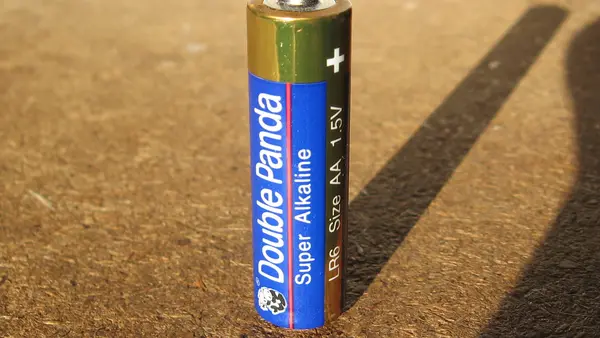
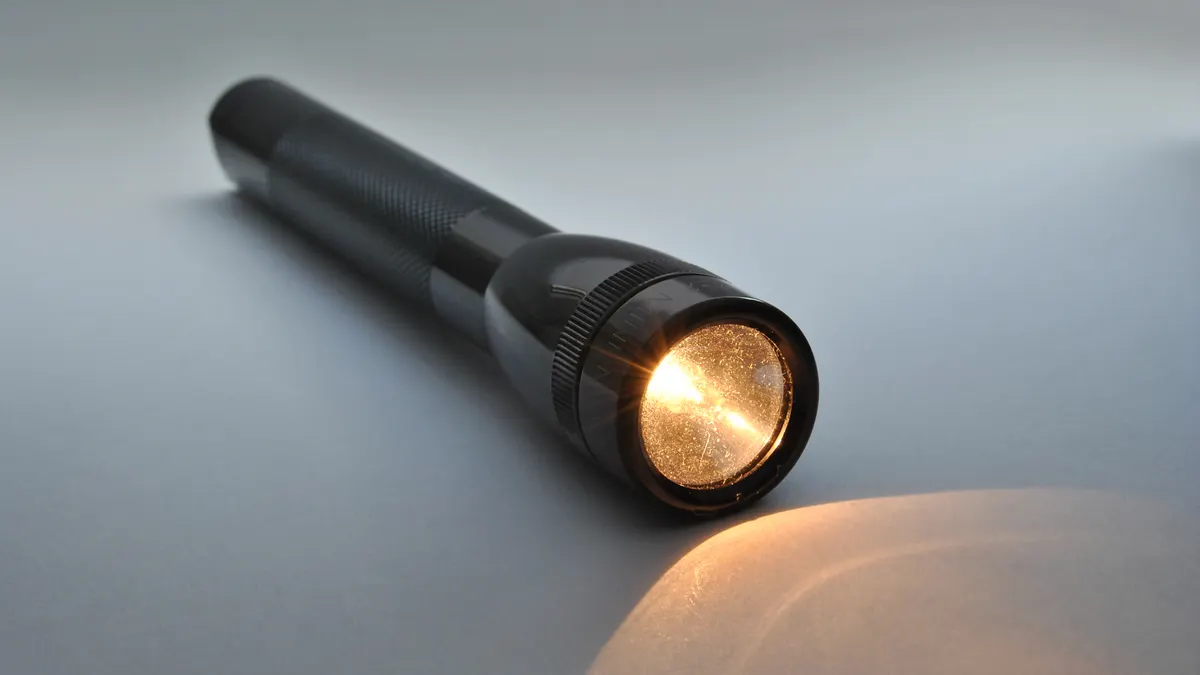
Ready.gov, the United States government disaster preparedness site, recommends having a flashlight for every household member during a power outage. A rechargeable LED flashlight is handy to take to the bathroom, to check the MCB (circuit breaker), or to go outside. Keep one flashlight next to the bed and one near the door. For battery-powered flashlights, keep spare batteries and check their condition every few months.
Related products in storeCheck the latest price and stock from this article. See productsCandles and lighters: only when needed, with care
Candles are cheap and easy to get, but an open flame carries a fire risk. That is why flashlights and emergency lights are preferred. If you still use candles, follow these rules:
- Set the candle in a sturdy, heat-resistant holder, such as a ceramic plate, on a flat surface.
- Keep it away from curtains, paper, mattresses, fabric, and other flammable items.
- Place it out of reach of children and pets.
- Never leave a candle burning while sleeping or leaving the room. Blow it out before you go.
- Do not use candles near a gas cylinder or when you smell gas.
- Store gas lighters in a high, closed place, away from children and heat sources.
Keeping food in the fridge safe
During an outage, try to keep the fridge and freezer doors closed. According to Ready.gov, a refrigerator can keep food cold for about 4 hours, and a full freezer for about 48 hours, as long as the doors stay closed. Shop owners should note perishable items such as meat, fish, and milk. If you are unsure whether food is still safe, it is better to throw it out than risk getting sick.
Protecting electronics
- Turn off and unplug sensitive electronics, such as televisions, computers, and chargers, to avoid surges when the power comes back.
- Leave one light switched on so you know when power is restored.
- Once the power is back, turn appliances on one at a time, not all at once.
- If you use a generator, run it only outdoors with good airflow, away from doors and windows, because its exhaust is dangerous.
If a family member uses electrically powered medical equipment, prepare a backup plan in advance, such as extra batteries or another place that has power, and consult the health professional who handles their care.
Power outage standby checklist
- A fully charged rechargeable LED emergency light.
- An LED flashlight for each family member.
- Spare batteries for flashlights or a radio.
- Candles and a lighter as a last resort, stored safely.
- A charged power bank for phones, so you can keep following updates from PLN (the state electricity company).
- Drinking water and food that does not need cooking.
FAQ
Which is safer during an outage, candles or a flashlight?
Flashlights and LED emergency lights are safer because they do not use a flame. Candles should only be a backup and must always be watched.
How long is food in the fridge safe during an outage?
According to Ready.gov, a refrigerator keeps food cold for about 4 hours and a full freezer for about 48 hours, as long as the doors stay closed.
Does an emergency light need recharging even if it is rarely used?
Yes. The battery slowly drains in storage, so recharge it regularly following the product instructions so it is ready to use.