Ever felt a mild shock when touching the body of a refrigerator, washing machine, or iron? This often happens in homes whose wiring does not yet have earthing, also called grounding. Earthing is one of the most important safety measures in a home, but it is often forgotten because it is invisible. This article explains what earthed sockets and plugs are, why they matter, and what is needed for the protection to actually work.
What earthing or grounding is
Earthing is a safety path that connects the metal parts of electrical appliances to the ground through an earth cable and an electrode buried in the soil. Under normal conditions no current flows through this path. But if a fault occurs, for example a wire inside an appliance loses its insulation and touches the metal body, the leakage current flows through the earth path instead of through the person touching it. In wiring fitted with a residual current device, this flow also makes the device cut the power quickly.
Recognizing earthed sockets and plugs
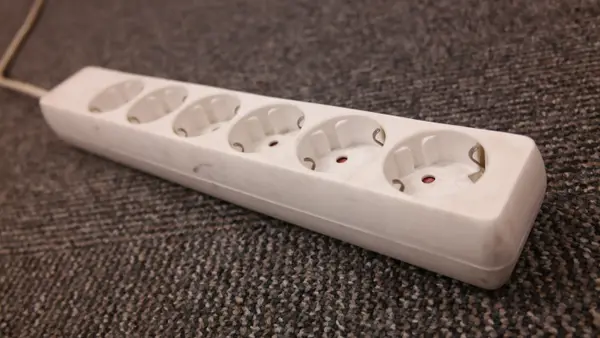
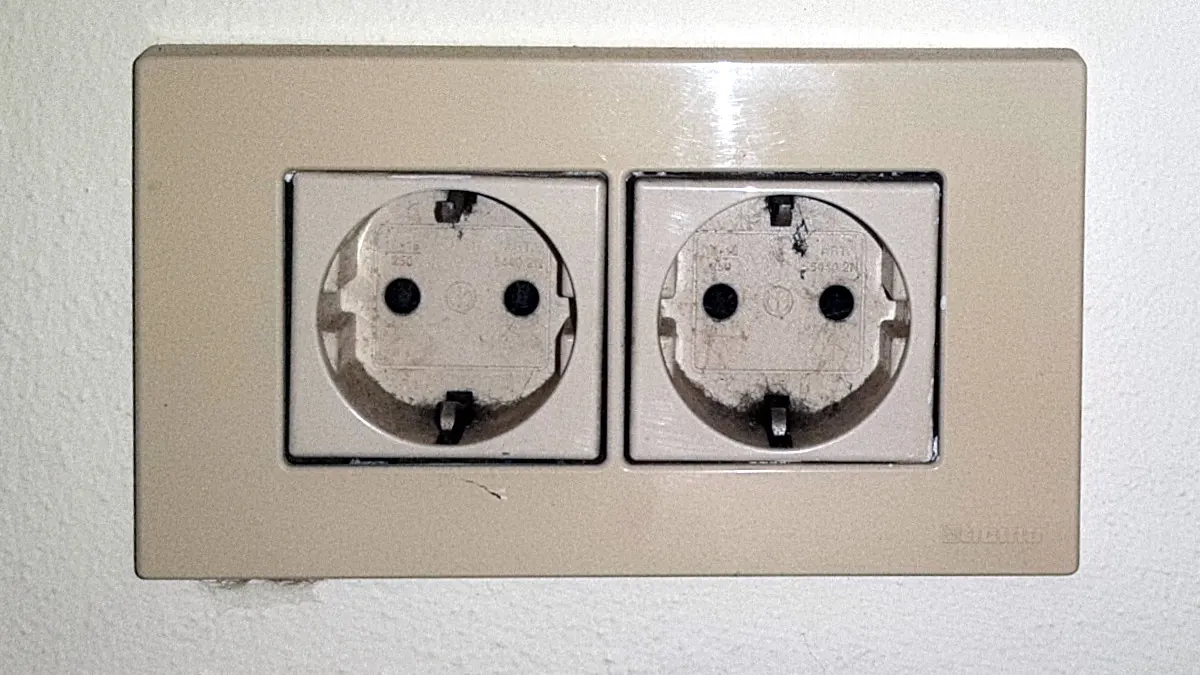
- An earthed socket has two holes for live and neutral, plus metal clips or plates beside the holes that serve as the earth contact.
- An earthed plug has two round pins plus metal strips on the side of the plug body that touch the socket's earth clips.
- Cables of earthed appliances generally have three cores. The earth core is usually green-yellow.
- A socket without earthing has only two holes and no metal clips.
Earthing does not replace other safe habits. Make sure the floor around the washing machine and dispenser is not waterlogged, cables are not peeling, and plugs are not loose. All three work together with earthing to reduce the risk of electric shock.
Related products in storeCheck the latest price and stock from this article. See productsAppliances that should use earthing
Appliances with a metal body or those that come into contact with water need earthing the most. Examples are refrigerators, washing machines, dispensers, irons, rice cookers, ovens, water pumps, water heaters, and computers. If the appliance comes with an earthed plug from the factory, plug it into an earthed socket. Do not cut, bend, or replace an earthed plug with an ordinary plug.
What it takes for earthing to actually work
This is the part often overlooked: installing an earthed socket alone is not enough. The socket's earth clips must be connected to an earth cable that leads to an electrode in the ground. If there is no earth cable, the socket only looks earthed but provides no protection.
- Make sure the house wiring has an earth cable connected to an earth electrode.
- Make sure every earthed socket is actually connected to that earth cable.
- Ask an electrician to measure the earth resistance and check the connections, especially in older houses or after renovation.
- Consider having an electrician install a residual current device (ELCB or RCCB) as an extra layer of protection.
- Use SNI-certified (Indonesian National Standard) sockets, plugs, and cables.
Note too that multi-way adapters and cheap plug extensions often have no earth path. When an earthed appliance is plugged in through such an adapter, the earth path is broken even if the wall socket is earthed. Use power strips or extensions that also have an earth contact for appliances with a metal body.
Replacing a socket or plug
Replacing an earthed plug on an appliance cable is fairly simple if you understand the wire order, but it is still risky if wired wrongly. The basic principle: unplug the cable from power first, connect the green-yellow core to the earth terminal, and make sure the screws are tight with no stray strands sticking out. To replace a wall socket, the MCB (circuit breaker) must be switched off first and the job is best done by an experienced electrician. Never work on live wiring.
For a house being built or renovated, tell the contractor or electrician from the start that you want wiring with an earth cable at every socket, especially in the kitchen, bathroom, and washing machine area. Adding earthing later is usually more troublesome because walls must be opened or new cables pulled.
Signs the earthing needs checking
- A tingling or shock when touching the body of a metal appliance.
- A voltage tester screwdriver lights up when touched to the metal body of a refrigerator or washing machine.
- An older house where every socket has only two holes.
- There are earthed sockets but no one knows whether they are connected to an earth cable.
FAQ
Is it enough to replace an ordinary socket with an earthed one?
No. The earth clips must be connected to an earth cable and an electrode in the ground. Without that, the earthed socket provides no protection.
Which appliances must be plugged into an earthed socket?
Appliances with a metal body or near water, such as refrigerators, washing machines, dispensers, irons, water pumps, and water heaters, especially those that come with an earthed plug from the factory.
Why does the refrigerator body give a shock?
There may be current leakage in the appliance and the wiring lacks proper earthing. Stop using it and have an electrician check both the appliance and the wiring.