Many city homes, rented houses, and homes that double as small shops have a kitchen no bigger than one corner of a room. In such a small space, things pile up quickly: plastic bags of spices, pots, cooking oil bottles, and plates waiting to be put away. A messy kitchen is not only unpleasant to look at, it also makes cooking harder and attracts ants and cockroaches. The good news is that a small kitchen can be tidy with a few simple principles and the right containers.
Start by sorting what is in your kitchen
- Take everything out of the cupboards and shelves, then group it: cookware, tableware, dry goods, spices, cleaning products.
- Throw away food that is past its expiry date, smells off, has weevils, or has damaged packaging.
- Set aside utensils that are broken or never used. A small kitchen has no room for things that only pile up.
- Clean the empty shelves and cupboards before filling them again.
Store dry goods in airtight jars
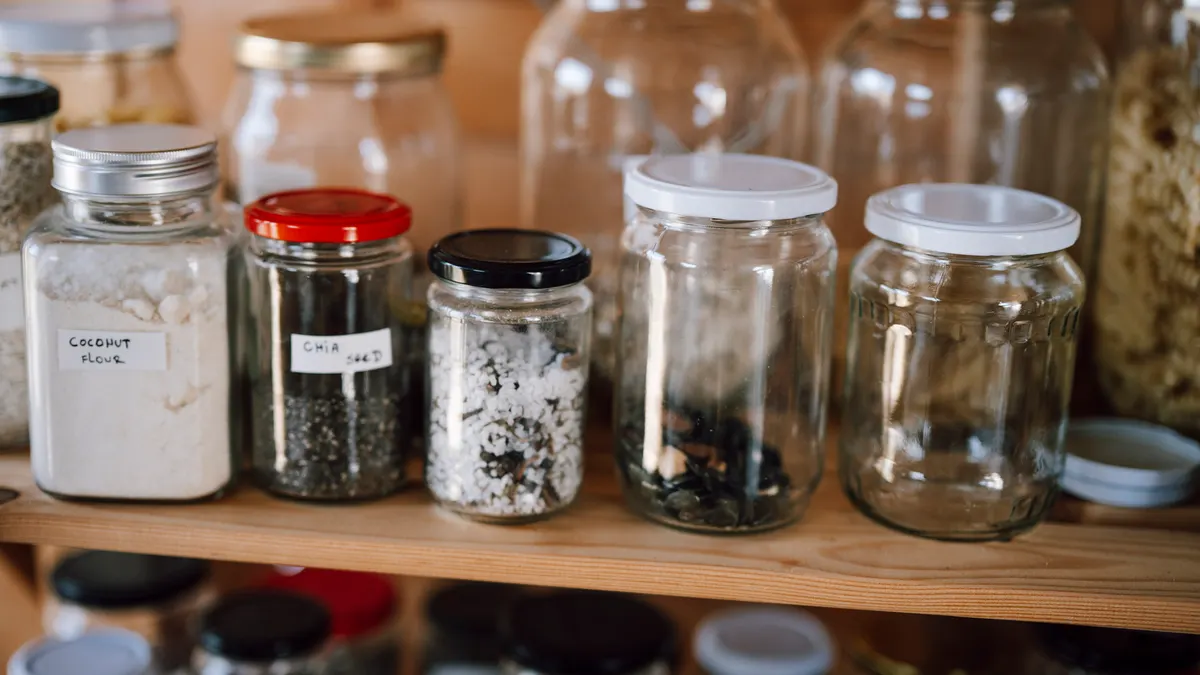
Sugar, coffee, tea, flour, nuts, and crackers left in open packs easily become damp, stale, and attract ants. Moving them into airtight plastic jars keeps them better protected and makes your shelves look neat and uniform.
- Make sure jars are clean and completely dry before filling them.
- Add a label with the name of the item and the expiry date from the original pack. An easy trick: cut out the part of the pack showing the date and keep it inside the jar or stick it on.
- Use the first in, first out principle: finish old stock before opening new, and do not mix old contents with new.
- Choose jar sizes to match how much you use. A 1-litre jar suits everyday sugar, coffee, or flour.
- Keep jars in a cool, dry place, away from the stove and direct sunlight.
Make use of vertical space
When floor and counter space is limited, use the walls and the space above. Fit wall shelves for spice jars, hooks for spatulas and ladles, and hangers for cloths and gloves. A two-tier plastic dish rack next to the sink saves space because plates and glasses can drain and be stored at the same time.
- Put the items you use most often between waist and shoulder height.
- Store rarely used items, such as large pots for family gatherings, on the top shelf.
- Use containers or baskets inside cupboards so small items do not scatter.
- Keep part of the counter clear as a work area for chopping and preparing spices.
Keep food separate from chemicals
In small kitchens, dish soap, floor cleaner, and insecticide are often stored next to food. This is risky. Keep all cleaning products and pesticides on a separate shelf or cupboard, ideally a closed cabinet under the sink or a high shelf out of children's reach, and always in their original packaging.
For small eateries or home catering businesses, divide the kitchen into simple zones: raw ingredients, cutting and preparation, cooking, and washing up. Keep raw ingredients such as meat and fish separate from cooked and ready-to-serve food. This layout makes work faster, reduces the chance of mixing things up, and makes it easier to stay clean when orders are busy.
A daily routine to keep the kitchen tidy
- Clean as you cook: wash utensils you have finished with while waiting for the food to cook.
- Wipe the counter and stove after cooking with a microfibre cloth, then hang the cloth to dry so it does not smell.
- Take out the kitchen rubbish every day, using a lidded bin lined with a rubbish bag.
- Put everything back in its place before bed so the kitchen is ready in the morning.
- Check your jars and shelves every weekend before shopping so you do not buy things you already have.
An organised small kitchen makes cooking faster, keeps ingredients fresher, and makes shopping more planned. You can order airtight jars, dish racks, microfibre cloths, and rubbish bags all at once from Anakjuragan.
FAQ
Which foods are suitable for airtight jars?
Dry goods such as sugar, coffee, tea, flour, nuts, crackers, and biscuits. Make sure the jar is clean and dry, and note the expiry date from the original pack.
Where should soap and cleaners go in a small kitchen?
On a shelf or in a cupboard separate from food, closed or up high out of children's reach, and always in the original packaging.
How can I keep ants out of the kitchen?
Store sweet foods in airtight jars, wipe up spills right away, take out the rubbish daily, and do not let dirty dishes pile up.