A dull wooden door, an iron fence starting to rust, or window frames with peeling paint can look almost new again with a fresh coat. But wood and metal paint brushed straight onto a dirty surface usually peels quickly. The key to a lasting result is surface preparation. This guide covers how to paint wood and metal with synthetic or alkyd paint, such as the Cat Kayu dan Besi Avian (Avian wood and metal paint) available at Anakjuragan.
Know your wood and metal paint
Wood and metal paint is generally alkyd-resin based and thinned with thinner, not water. According to the Avian Cat Kayu dan Besi product page, the paint is alkyd based, glossy, and thinned with B thinner or enamel thinner. The manufacturer lists 1 to 2 coats, a drying time of 2 to 24 hours, and a theoretical coverage of 10 to 12 square meters per liter per coat. This coverage figure helps you estimate how much paint you need.
Prepare tools and materials
- Wood and metal paint in your chosen color.
- Primer: wood primer to seal the wood grain, and anti-rust primer for metal.
- Coarse and fine sandpaper, and a wire brush for rust on metal.
- Wood filler to close nail holes and cracks.
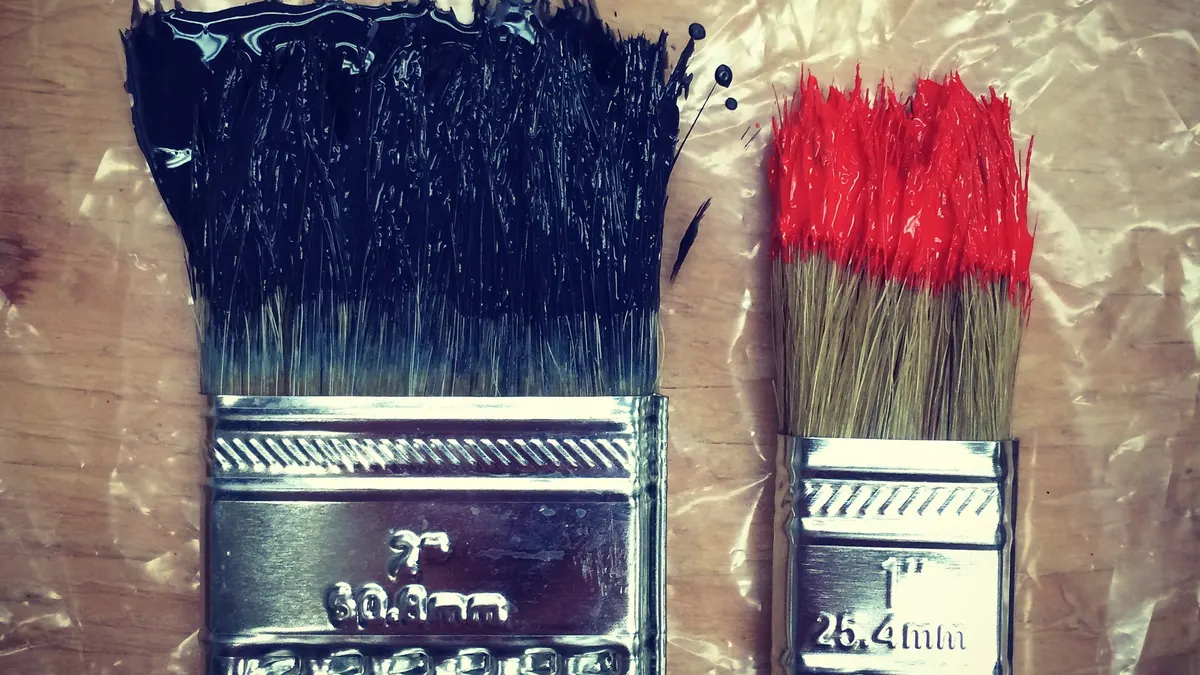
- Paint brushes sized to the surface, for example 3 inch for a door and a small brush for corners.
- Thinner as recommended on the can, rags, newspaper or plastic drop sheets, and masking tape.
Steps to paint wood
- Clean the wood of dust, grease, and mold. Scrape off old paint that is peeling.
- Sand the surface along the grain with coarse sandpaper, then smooth it with fine sandpaper.
- Fill nail holes, cracks, and joints with wood filler. Once dry, sand it flush.
- Remove sanding dust with a dry cloth.
- Apply wood primer to seal the grain so the topcoat goes on more evenly. Let it dry as directed on the can.
- Sand lightly with fine sandpaper, wipe off the dust, then apply the topcoat thinly along the grain.
- Once the first coat is dry, sand very lightly if needed, then apply the second coat.
Steps to paint metal
- Remove rust with a wire brush and sandpaper until only sound metal remains. Scrape off any blistered old paint.
- Wipe off dust and grease with a cloth. The surface must be dry before painting.
- Apply anti-rust primer evenly, especially on welds, corners, and the lower parts of fences that often get wet.
- Once the primer is dry, apply a thin, even topcoat.
- Apply a second coat after the first is dry for better protection.
New metal often has an oily factory surface. Clean it first so the primer adheres well. Some metal paints are designed to be used without primer, so always follow the instructions on the can you buy.
Brush technique for a neat finish
- Stir the paint thoroughly before use. Thin it with thinner only as recommended on the can.
- Dip the brush about one third of the bristle length, then wipe it on the rim of the can so it does not drip.
- Apply thin coats. Two thin coats last longer than one thick coat, which runs easily and takes long to dry.
- On wood, finish each stroke along the grain.
- Complete one small section before moving on, so there are no lap marks from strokes that have already half dried.
- Avoid painting in rain, very humid air, or when the surface is in direct hot sunlight.
Cleaning and storing your tools
Clean brushes with thinner right after you finish, then wash with soapy water and let them dry hanging or lying flat. Close the paint can tightly so the paint does not dry out. Do not pour leftover thinner or paint-soaked rags down the drain.
Proper surface preparation, the right primer, and patiently applied thin coats will make wood and metal paint last longer. You can check prices for wood and metal paint, paint brushes, and sandpaper at Anakjuragan.
FAQ
Does metal need primer before painting?
Generally yes, especially for metal outdoors. Anti-rust primer helps protect the metal from rust and helps the topcoat adhere. Some products are designed without primer, so follow the instructions on the can.
How many coats of wood and metal paint are needed?
The manufacturer of Avian Cat Kayu dan Besi lists 1 to 2 coats. Two thin coats usually give a more even color and better protection.
What thinner is used for wood and metal paint?
Alkyd wood and metal paint is thinned with thinner, not water. For Avian Cat Kayu dan Besi, the manufacturer specifies B thinner or enamel thinner.