Semen Padang is one of the oldest cement brands in Indonesia, and its 50 kg bag is a popular choice for homeowners and small building supply stores alike. In the Anakjuragan catalog, this product is listed as Semen Padang 50Kg. This review covers the type of cement it is, the jobs it suits, how to store cement bags so they do not clump too quickly, and the mix ratios commonly used on site. All technical information comes from the manufacturer's official descriptions and general sources, not from our own testing.
What is PCC cement?
Semen Padang's general-purpose bagged cement is PCC, or Portland Composite Cement. Unlike ordinary Portland cement (OPC), whose main ingredient is almost entirely clinker, PCC blends clinker with additional materials such as limestone, pozzolan, or fly ash. Using these additives reduces the amount of clinker needed, so the carbon emissions from its production are lower.
According to Semen Padang's official product page, their PCC cement refers to SNI 7064:2022 (the Indonesian National Standard) and ASTM C1157. In general, PCC cement is known for being easy to work with (the mix spreads more smoothly when leveled) and for having a lower heat of hydration than OPC, so the risk of hairline cracks caused by heat during curing tends to be smaller when it is cured properly.
Which jobs is it suitable for?
Semen Padang describes PCC as a binder for general construction. In everyday house building and renovation, its uses include:
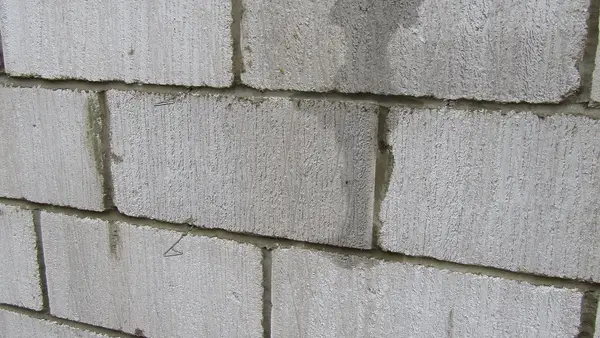
- Laying red brick or concrete block (batako) walls with a cement and sand mortar.
- Wall plastering and skim coating.
- Residential concrete such as ground beams (sloof), small reinforcing columns, beams, and simple concrete slabs.
- Lean concrete floors, concrete paving, and garden paths.
- Making small concrete products such as concrete blocks, paving blocks, or concrete culvert rings.
- Laying ceramic tiles and repairing minor cracks.
For multi-story structural work or concrete of a specified grade, concrete quality is determined not only by the cement brand but also by the mix ratio, the quality of sand and gravel, the amount of water, and curing. Such work should follow the calculations and guidance of a structural engineer or an experienced builder.
Related products in storeCheck the latest price and stock from this article. See productsTips for storing cement so it does not clump
Cement reacts with water and also with moisture in the air. Bags stored carelessly can partially harden before use, which reduces the strength of the mix. A few simple habits help:
- Store in an enclosed, dry, roofed room. Avoid spots exposed to splashing rain or damp floors.
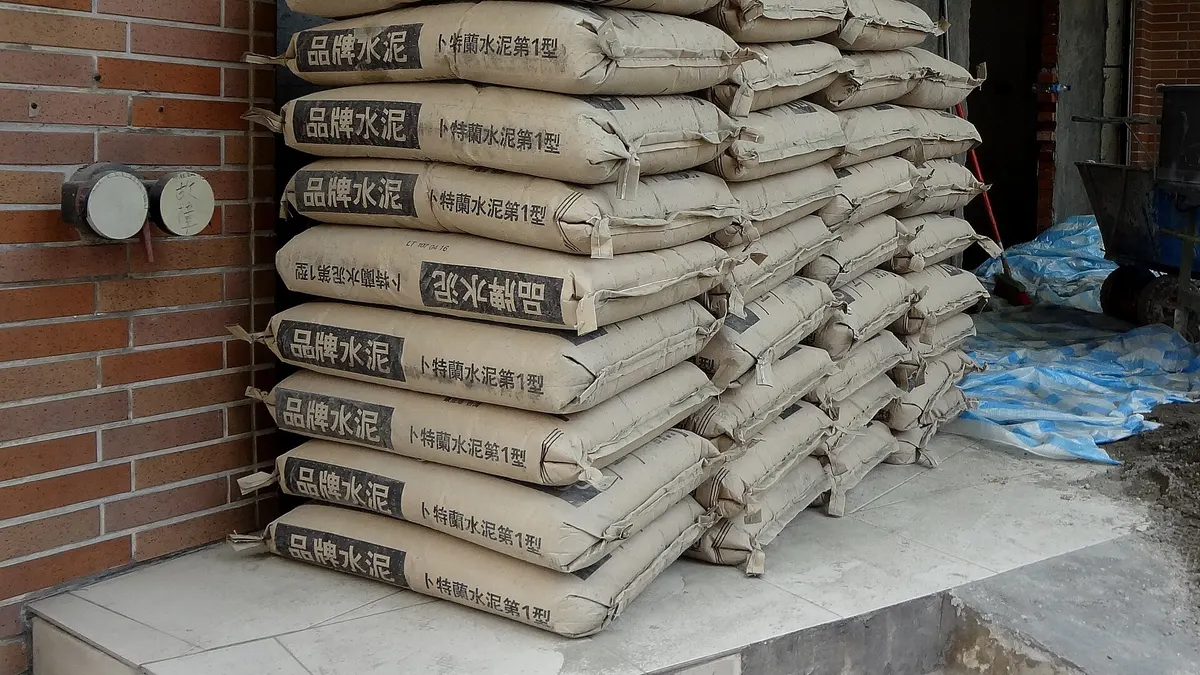
- Place the stack on wooden pallets or boards so the bags do not touch the floor directly, and keep it away from the walls.
- Do not stack too high; a tall stack presses on the bottom bags and makes them compact more easily.
- Use the bags that arrived first before newer ones, so no old stock is left sitting for months.
- Use up opened bags promptly, or seal them tightly if some is left over.
- If the cement has formed hard lumps that do not crumble when squeezed, do not use it for structural work.
Common cement mix ratios
The ratios below are volume proportions commonly used by builders in Indonesia for residential work. They are general guidelines, not fixed recipes, since sand conditions and the needs of each building can differ.
- Brick or concrete block laying: about 1 part cement to 4 to 5 parts masonry sand.
- Waterproof masonry, for example the lower part of bathroom walls: a stronger mix of about 1 part cement to 2 to 3 parts sand.
- Wall plastering: about 1 part cement to 4 parts fine, sieved sand.
- Simple residential concrete: about 1 part cement to 2 parts sand to 3 parts gravel or crushed stone.
- Skim coat: cement mixed with water into a paste, or use a ready-mix cement made specifically for skim coating.
Add water little by little. A runny mix is easier to level, but its strength drops and it cracks more easily. Use the same measuring container for all materials, such as a concrete bucket, so the proportions stay consistent from one batch to the next.
Curing after pouring and work safety
Concrete and plaster need to be kept moist during the first few days so they cure properly. You can do this by watering the surface regularly or covering it with wet sacks, especially in hot weather. This step is often skipped, even though it has a big effect on strength and on whether cracks appear.
In conclusion, Semen Padang PCC 50 kg is a versatile cement suited to most residential jobs, from wall masonry to simple concrete. The keys to good results are dry storage, consistent mix ratios, and curing the concrete after it is poured. Check the latest price and supporting supplies such as concrete sand, concrete buckets, and shovels at Anakjuragan.
FAQ
What is the difference between PCC and OPC cement?
OPC is made almost entirely from clinker, while PCC blends clinker with additives such as limestone, pozzolan, or fly ash. PCC is used for general construction and is known for being easy to work with; OPC is usually chosen for special needs that require high early strength.
How long can cement be stored?
There is no fixed figure that applies to every situation, because it depends heavily on the humidity of the storage area. The principle is to store it somewhere dry on pallets and use up old stock first. Cement that has formed hard lumps should not be used for structural work.
Can Semen Padang PCC be used to pour a house slab?
Yes, since the manufacturer describes PCC as being for general construction, including houses and buildings. However, slab quality also depends on the mix, the reinforcement, and curing, so it is best done by an experienced builder with guidance from a structural engineer.