Spices are the soul of Indonesian cooking. Among the many seasonings, turmeric, red ginger, lemongrass, and pepper are some of the most frequently used. All four are easy to find, affordable, and can turn a simple dish into something more aromatic. This article covers how each one is used in the kitchen, how to use it, and how to store it. The focus is on cooking, not medicine.
Turmeric: a natural yellow coloring
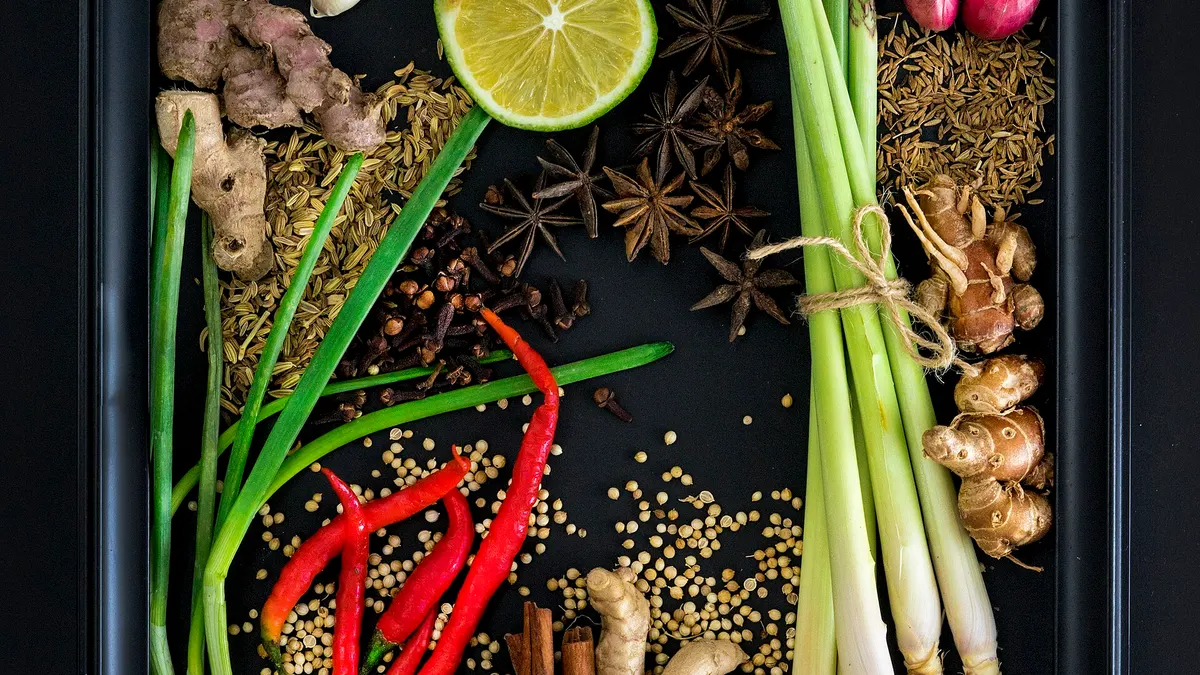
Turmeric is a bright orange rhizome with a slightly bitter taste and a distinctive earthy aroma. Its most visible role is giving food a yellow color and aroma.
- Used in opor (coconut milk curry), gulai, curry, yellow soto, nasi kuning (yellow rice), yellow-spiced fried chicken, and pepes.
- Usually grilled or dry-roasted briefly before grinding to make it more fragrant and reduce its raw taste.
- Only a little is needed, about one to two thumb-sized pieces, because too much makes food bitter.
- Turmeric juice easily stains cutting boards, nails, and fabric. Wear gloves or wash immediately.
Red ginger: warm and pungent
Red ginger is smaller, with reddish skin, and tastes spicier with a sharper aroma than regular ginger. In the kitchen, ginger is used to reduce fishy odors and add warmth.
- Suits fish, chicken, and meat dishes, such as pindang, steamed fish, or chicken soup.
- A key ingredient in warm drinks such as wedang jahe, bandrek, and sekoteng.
- Can be bruised for soups, or grated and thinly sliced for stir-fries.
- Because its flavor is strong, use less than regular ginger if the recipe does not specify red ginger.
Lemongrass: a fresh Southeast Asian aroma
Lemongrass gives a fresh, citrus-like aroma without sourness. The part used is the white stalk at the bottom.
- Used in soto, opor, rendang, gulai, tongseng, nasi uduk, and sayur lodeh.
- The most common method: remove the dry outer leaves, trim the base, then bruise the stalk and tie it in a knot so it is easy to remove.
- For spice paste, thinly slice the white part before grinding or blending so no fibers remain.
- Lemongrass can also be boiled with ginger and palm sugar for a warm drink.
Pepper: a heat different from chili
Pepper gives a warm pungency that differs from the heat of chilies. White pepper is more common in Indonesian cooking, while black pepper has a stronger aroma.
- Used in soups, meatballs (bakso), fried rice, perkedel, fried noodles, omelets, and fried chicken marinades.
- Freshly ground peppercorns are more fragrant than ground pepper that has been open for a long time.
- Add ground pepper near the end of cooking so its aroma is not lost.
- Single-use pepper sachets are practical and keep the aroma fresh.
How to store them so they stay fragrant
- Store whole turmeric and ginger unwashed in a dry, airy place, or in the fridge vegetable drawer in a paper bag.
- Fresh lemongrass can be wrapped in paper or plastic and kept in the fridge. It can also be sliced and frozen in small containers.
- Keep ground pepper and peppercorns in an airtight container away from stove steam.
- Throw away rhizomes that are moldy, soft, or smell rotten.
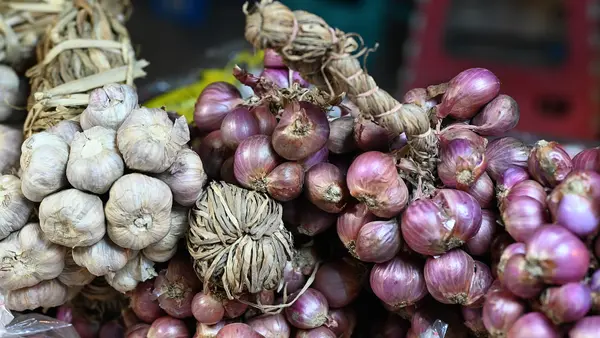
These four spices often appear together in one recipe. Examples include opor ayam, which uses turmeric, ginger, lemongrass, and pepper in its spice paste, or yellow chicken soto, which relies on turmeric and lemongrass as its main aromas. For convenience, make a basic yellow paste of shallots, garlic, candlenuts, turmeric, ginger, and pepper, then sauté until cooked and store it in small containers in the fridge or freezer. When cooking, simply add lemongrass, bay leaves, and galangal according to the dish. For rhizomes that will be ground, peel them thinly with a small spoon so little of the flesh is wasted. The thin skin of ginger and turmeric can simply be scraped off; there is no need to peel it thickly with a knife.
FAQ
What is the difference between red ginger and regular ginger for cooking?
Red ginger is smaller, spicier, and has a sharper aroma. For cooking, use less than regular ginger so the flavor is not too strong.
Why should turmeric be grilled before grinding?
Grilling or dry-roasting briefly makes turmeric more fragrant and reduces its raw or bitter taste.
Which part of lemongrass is used?
The white stalk at the bottom. Remove the dry outer leaves, then bruise it for soups or slice it thinly for spice paste.