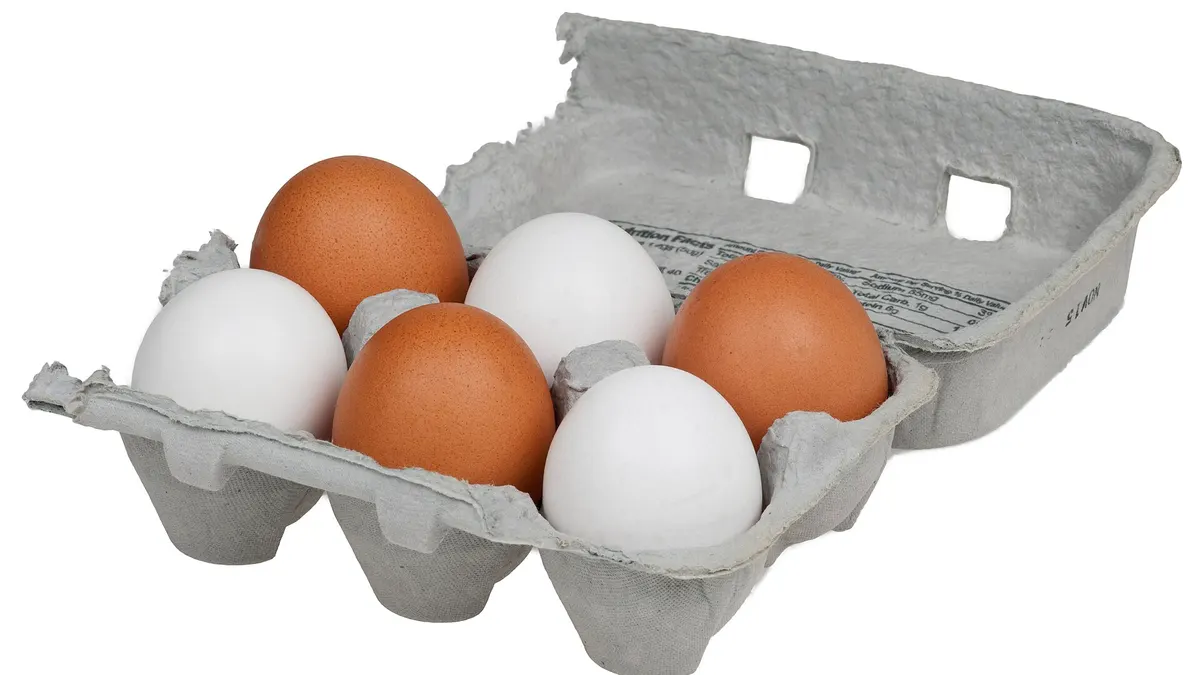
Chicken eggs are the most practical and affordable protein for families. They can be made into omelets, boiled, cooked in balado chili sauce, or mixed into cakes. Because eggs are often bought in large amounts, their freshness should be checked and they should be stored properly. Eggs that are no longer fresh not only reduce the taste of food but can also carry food safety risks. Here are simple ways to check them and rules for storing them at home.
Check the shell when buying
The first check only needs your eyes and hands. The U.S. Food and Drug Administration (FDA) advises opening the carton before buying to make sure the eggs are clean and the shells are not cracked. Signs of a good egg include:
- The shell is intact, not cracked, and not leaking.
- The surface is fairly clean, without much chicken droppings or stains.
- The shape is normal, and the shell is not too thin or wrinkled.
- There is no strange smell when held close to your nose.
Cracked eggs should be set aside and cooked thoroughly right away, or not used if the crack is old and dirty.
The water test
This method is popular because it is easy to do at home. Over time, the contents of an egg slowly evaporate through the pores in the shell, so the air pocket inside grows larger. As a result, older eggs tend to float more easily.
- Fill a large bowl or glass with clean water.
- Gently place the egg in it.
- An egg that sinks and lies flat on the bottom is generally still fresh.
- An egg that sinks but stands upright is somewhat older and should be used soon and cooked thoroughly.
- An egg that floats should not be eaten.
Remember, the water test only estimates an egg's age; it does not guarantee the egg is free of bacteria. After testing, dry the egg and use it right away rather than storing it while wet.
Related products in storeCheck the latest price and stock from this article. See productsCheck the inside when cracked
Crack the egg into a small bowl first, not directly into a pan with other eggs. A fresh egg has a round, raised yolk and a thick white that does not spread far. An older egg usually has a flatter yolk and a runny white. If it smells rotten, has an unusual color, or shows greenish spots, throw the egg away.
How to store eggs at home
In Indonesia, eggs are widely sold at room temperature and are still safe to eat within a reasonable time. However, cold temperatures help slow bacterial growth and keep quality longer. The FDA recommends storing eggs in the refrigerator at about 4 degrees Celsius or lower and using them within three weeks for best quality.
- Keep eggs in their carton or a closed box, not on the fridge door rack where the temperature often goes up and down.
- Place them with the blunt end facing up.
- If stored at room temperature, choose a place that is cool, dry, out of direct sunlight, and away from the stove.
- Eggs that have gone into the fridge should stay in the fridge, because temperature changes make the shells sweat.
- There is no need to wash eggs before storing. If dirty, wipe them with a dry cloth, then wash just before cooking.
- Use a first in, first out system, especially if you buy eggs by the kilogram.
Cooking eggs safely
Cook eggs until both the white and the yolk are firm, especially for young children, pregnant women, and the elderly. Hard-boiled eggs should be eaten within about one week if kept in the fridge, and leftover egg dishes should be finished within three to four days. Wash your hands after handling raw eggs.
Also avoid a few common kitchen habits. Do not crack eggs on the rim of a pan or bowl that holds ready-to-eat food, because shell fragments and dirt on the surface can get in. Do not leave mixtures made with raw eggs, such as cake batter or sauces, at room temperature for too long. For sellers of nasi uduk, gado-gado, or lontong sayur who use boiled eggs, boil only enough for the day and keep them in a closed container. If you sell raw eggs at a shop, place the egg rack in a shaded spot away from sunlight and the stove, and set cracked eggs aside so they are not sold to customers.
FAQ
Do eggs have to be stored in the fridge?
Not necessarily if they will be used up quickly and kept in a cool place. The fridge helps keep quality longer. Once eggs go into the fridge, they should stay there.
Does an egg that floats always mean it is rotten?
A floating egg has been stored for a long time and should not be eaten. The water test only estimates age, so still check the smell and contents when you crack it.
Should eggs be washed before storing?
It is better not to. Just wipe off dirt with a dry cloth, then wash right before cooking so the shell does not stay damp during storage.