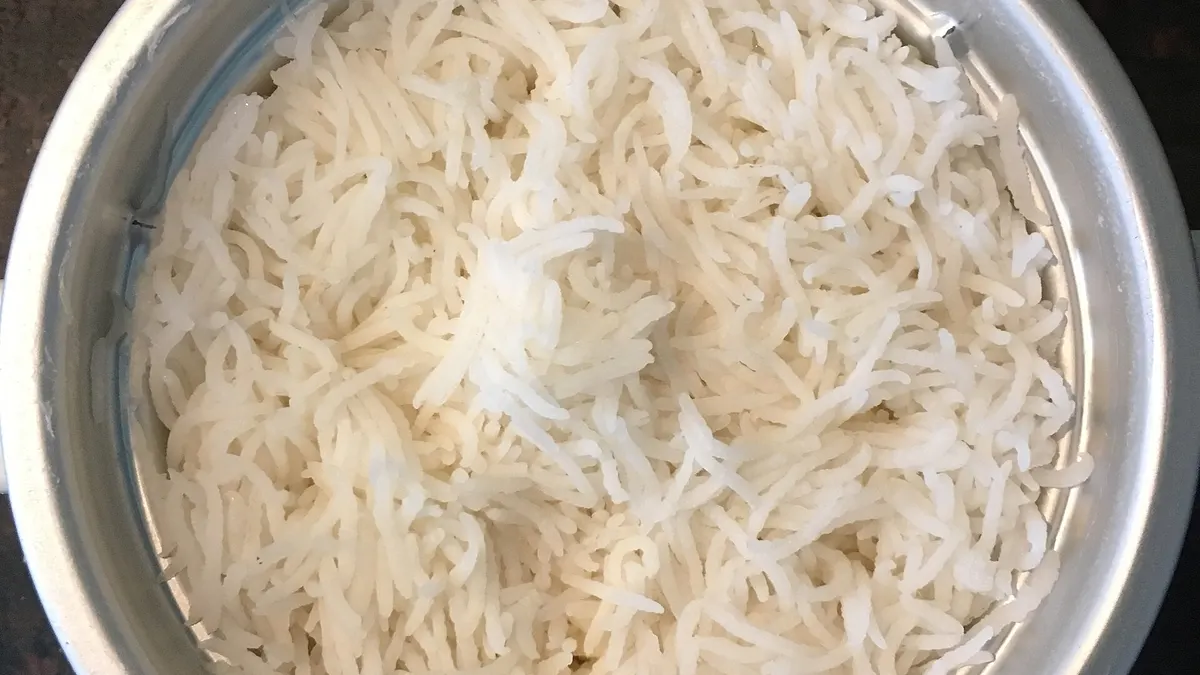
A rice cooker makes cooking rice easy, but the results are not always the same. Sometimes the rice is too mushy, sometimes hard on top. The cause is usually the amount of water, how the rice is washed, and the type of rice used. White rice and brown rice also need different handling. Here is a practical guide to getting soft, fluffy rice every day.
Know the rice you use
How soft and sticky cooked rice turns out depends heavily on the type of rice. Varieties such as setra wangi or pandan wangi tend to be soft and fragrant, while some other varieties are drier and less sticky. Freshly harvested rice usually needs slightly less water than rice that has been stored for a long time. Brown rice still has its bran layer, so water is absorbed more slowly and it needs more water and time.
Steps for cooking white rice
- Measure the rice using the cup that comes with the rice cooker so the ratio matches the water lines in the pot.
- Wash the rice in clean water two to three times while stirring gently, just until the rinse water is not too cloudy. Do not rub it too hard.
- Drain, then add water up to the measuring line inside the pot for the number of cups of rice being cooked.
- If there are no measuring lines, a common rule is slightly more water than rice, roughly one finger joint above the leveled surface of the rice. Adjust after a few tries.
- Level the surface of the rice, wipe the outside of the pot dry, then place it in the rice cooker.
- Press the cook button and wait until the light switches to warm.
- Do not open it right away. Let it rest for about 10 to 15 minutes so the steam evens out the cooking.
- Fluff the rice gently from the bottom with a rice paddle so it does not clump.
Steps for cooking brown rice
Brown rice needs more water than white rice. A common method:
- Wash brown rice gently and discard debris or husks that float.
- Soak it for about an hour or more so water soaks into the grains. Soaking makes the rice softer and cooks it more evenly.
- Discard the soaking water, then add more water than for white rice. Many people use around one and a half to two times the amount of rice, but adjust to taste and to the instructions on the pack.
- If your rice cooker has a special brown rice or multigrain setting, use that setting.
- If the rice is still hard after cooking, add a little hot water, stir, and press the cook button once more.
You can also mix brown rice with white rice so the texture is more familiar to children. Soak the brown rice first, then combine them when cooking.
Why rice turns out mushy, hard, or spoils quickly
- Mushy rice: too much water or very new rice. Use a little less water next time.
- Hard rice: not enough water, old rice, or the lid was opened too soon.
- Burnt or crusty bottom: a scratched pot, water left on the outside of the pot, or keep-warm mode left on too long.
- Rice that quickly turns yellow and smells: kept too long on warm mode, a wet rice paddle, or the lid opened too often.
Storing rice safely
The keep-warm mode is useful, but do not leave rice there too long, because it can dry out, turn yellow, and smell. Cook only what you need. Leftover rice should be cooled quickly, put in a closed container, stored in the fridge, and reheated until piping hot before eating. Do not leave cooked rice at room temperature for too long.
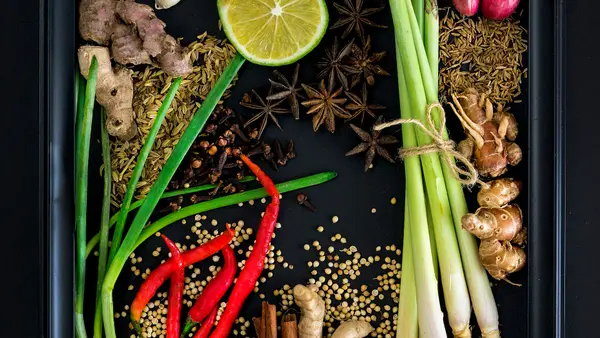
A few simple tricks can make rice more fragrant and tasty. Add a pandan leaf or bay leaf (daun salam) when cooking for a more fragrant aroma. For richer rice like a simple nasi uduk, replace part of the water with thin coconut milk, then add lemongrass and a little salt. Use clean, drinkable water to cook rice. Also make sure the rice cooker sits on a flat, dry surface, its cord is not bent or pinched, and the steam vent on the lid is not blocked. Unplug the rice cooker when it will not be used for a long time, and regularly clean residue from the inner lid so it does not smell.
FAQ
How much water do I use for white rice in a rice cooker?
Follow the measuring lines in the pot according to the number of cups of rice. Without lines, a common rule is water about one finger joint above the surface of the rice, then adjust for the type of rice.
Does brown rice have to be soaked?
Not necessarily, but it is highly recommended. Soaking for about an hour helps water soak in so the rice is softer and cooks evenly.
Can rice be left on warm mode all day?
Not for too long. The rice can dry out, turn yellow, and smell. Cook only what you need and store leftover rice in the fridge.