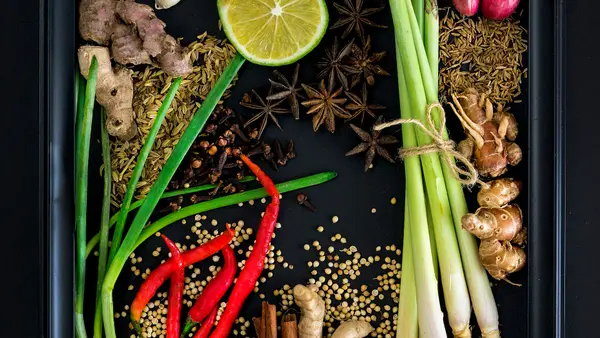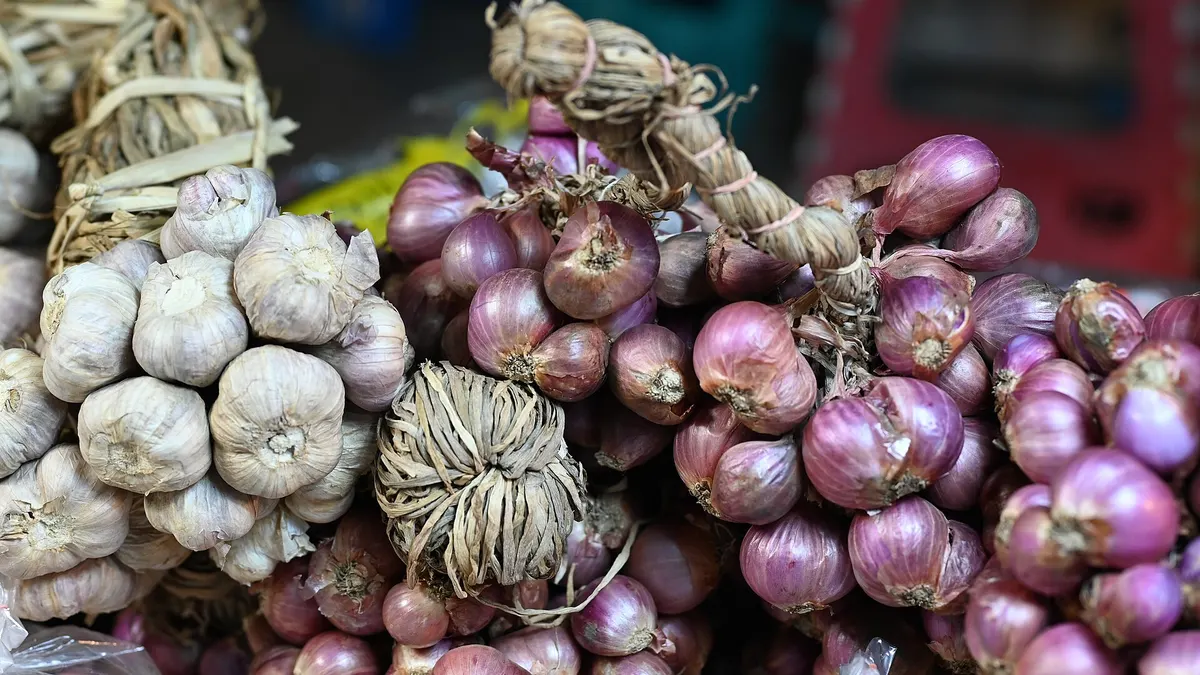
Shallots, garlic, and chilies are the trio of seasonings used in almost every Indonesian dish. They are also often bought in larger amounts to avoid frequent trips to the market. Unfortunately, shallots and garlic can sprout or rot, and chilies quickly go soft or moldy if stored the wrong way. With the right methods, your seasoning stock lasts longer and kitchen spending is easier to control.
The basic principle: dry and airy
According to FAO guidance on storing horticultural crops, shallots and garlic are best kept dry, with low humidity and good air circulation. At warm temperatures such as room temperature in Indonesia, bulbs sprout faster than when stored cold. This means the most important thing at home is to keep them dry, not tightly sealed, and away from heat.
Storing shallots and garlic
- When buying, choose bulbs that are firm, with dry skins, not soft, and not sprouting.
- Do not wash them before storing. Water makes bulbs rot and grow mold quickly.
- Store them in a basket, perforated container, or mesh bag, not a closed plastic bag.
- Place them in a cool, dry, shaded spot away from the stove and sink.
- Remove bruised or rotten bulbs so they do not spread rot to the others.
- Do not store shallots or garlic with potatoes in one container, because moisture from the potatoes can spoil them faster.
Peeled or sliced shallots and garlic spoil faster. Keep them in a closed container in the fridge and use them within a few days. If you often use fried shallots, buying packaged fried shallots can save time.
Related products in storeCheck the latest price and stock from this article. See productsStoring chilies so they do not rot quickly
Fresh chilies spoil faster than shallots and garlic, especially when wet or when the stems are damaged. Follow these steps:
- Sort the chilies and discard any that are rotten, soft, or have black spots.
- Pull off the stems if you want to store them longer, because the stem area is often where rot begins. Some people prefer to leave the stems on; both can be tried.
- Do not wash them first. If they are already washed, dry them thoroughly with a cloth or tissue.
- Line the container with tissue or clean paper to absorb moisture.
- Put them in a closed container and store them in the fridge vegetable drawer.
- Check every few days and replace damp tissue.
Frozen spice paste stock
This method suits busy families and food stall owners. Grind shallots, garlic, and chilies according to a basic recipe, for example a basic red paste for sambal, balado, and fried rice. Sauté briefly with a little oil until fragrant and cooked so it lasts longer, then let it cool. Divide it into small containers or zip bags in single-cooking portions, write the date, and store in the freezer. When needed, take one portion and sauté it directly without long thawing.
- Use clean, dry containers and spoons.
- Do not refreeze paste that has been thawed.
- Throw away paste that smells off or grows mold.
Drying chilies
Excess chilies can be dried. Spread them in the sun on a clean woven tray or platter for several days until completely dry and brittle, or use an oven at a low temperature. Dried chilies are stored in an airtight jar and can be used for sambal, stir-fries, or ground into chili powder.
Common mistakes that make seasoning stock spoil quickly include storing shallots in tightly tied plastic bags, putting the shallot basket under the sink or near the stove, and mixing rotten chilies with fresh ones. The habit of buying very large amounts when prices drop also needs thought. If storage space is not adequate, much of the stock can spoil before it is used, so the savings are lost. For food stalls, keep the daily stock in the kitchen separate from the reserve stock in a cooler storeroom, then take only what is needed each morning. This reduces how long shallots are exposed to kitchen heat and makes quality checks easier.
FAQ
Can shallots be stored in the fridge?
Whole shallots are better kept at room temperature in a dry, airy place. Peeled or sliced shallots should be stored in the fridge in a closed container and used soon.
Why do chilies rot quickly in the fridge?
Usually because the chilies are wet, rotten chilies are mixed in, or the container is damp. Sort them, dry them, and line the container with tissue so they last longer.
How long can frozen spice paste be stored?
It depends on hygiene and freezer temperature. Write the date it was made, use portions in order, and throw it away if the smell or color changes.