White sugar and brown palm sugar are both sweeteners, but they play quite different roles in Indonesian kitchens. Kolak (a sweet coconut milk dessert) does not taste quite right with white sugar alone, while sweet tea is rarely made with palm sugar. Understanding the difference helps you choose the right sugar, balance flavors, and store your stock properly, whether for a home kitchen or a food stall.
Source and how they are made
White sugar in Indonesia is generally made from sugarcane. The cane juice is processed, clarified, and then crystallized into white granules with a neutral sweet taste. This refining process makes the taste and color consistent from one pack to another.
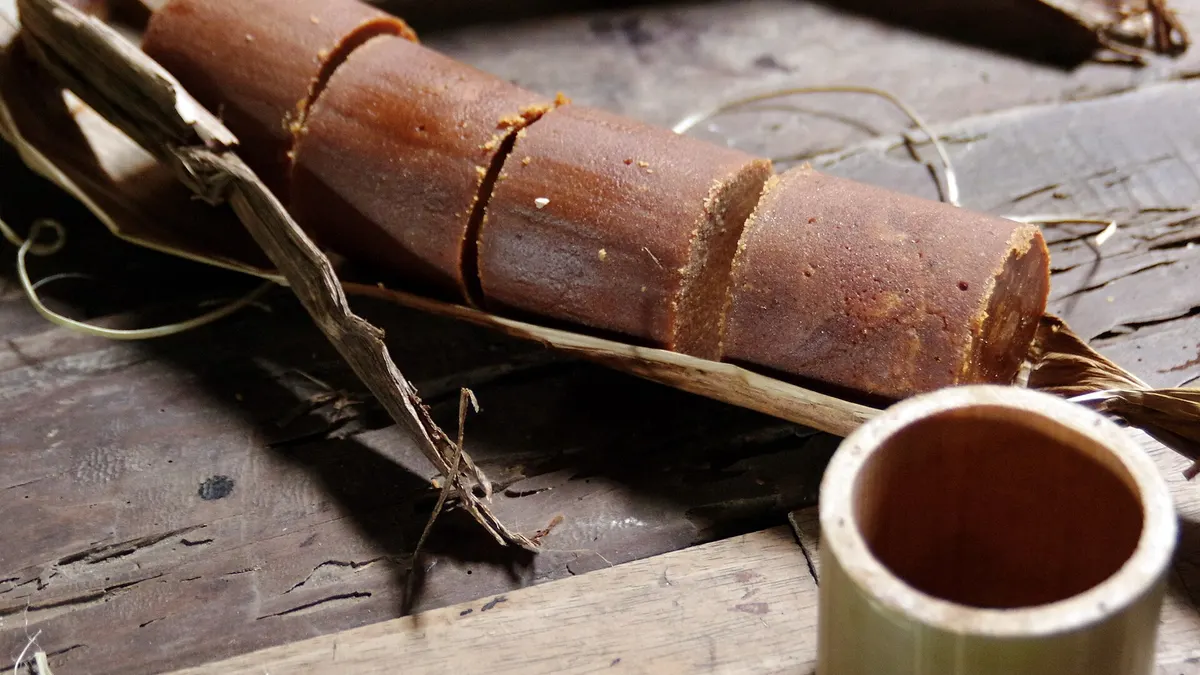
Gula aren (palm sugar) is made from nira, the sweet sap tapped from the flower clusters of the aren (sugar palm) tree. The sap is cooked for a long time until it thickens, then poured into molds such as coconut shells or bamboo tubes. Because the process is simpler, palm sugar keeps a distinctive caramel aroma and a slightly savory note. There is also brown sugar made from coconut sap, often called gula jawa. Its taste and color are similar, but the aroma is slightly different.
Differences in taste, color, and texture
- Taste: white sugar is cleanly sweet with no aroma. Palm sugar is sweet with a caramel aroma and a rich, mellow note.
- Color: white sugar does not change the color of food. Palm sugar turns sauces and batters brown.
- Texture: white sugar is granular and dissolves quickly. Palm sugar is solid, so it needs to be shaved, sliced, or melted first.
- Consistency: white sugar tastes much the same in every pack. Palm sugar can vary depending on the sap source and how it was cooked.
In terms of calories, both are still sources of sugar. Palm sugar is sometimes considered much healthier, yet it still needs to be limited. The Indonesian Ministry of Health recommends limiting sugar, salt, and fat in the daily diet, whatever the type of sugar.
Related products in storeCheck the latest price and stock from this article. See productsWhen to use white sugar
- Drinks such as tea, coffee, and homemade syrup.
- Cakes and breads that need a light color, such as white sponge cake or cookies.
- A little flavor balancer in stir-fries, sayur asem (sour vegetable soup), or tomato sambal.
- Clear caramel or powdered sugar for dusting.
When to use palm sugar
- Banana kolak, sweet potato kolak, mung bean porridge, and bubur sumsum (rice flour pudding).
- Kinca syrup for serabi pancakes or klepon.
- Sweet and savory dishes such as gudeg, semur (sweet soy stew), certain styles of rendang, and pecel peanut dressing.
- Shrimp paste sambal or peanut sauce, for a rounder flavor.
- Traditional drinks such as wedang jahe (ginger drink) and es cendol.
If a recipe calls for palm sugar but you have run out, you can use white sugar with a little sweet soy sauce as an emergency substitute. The result will still differ, but it is close enough for soupy dishes.
Tips for melting and storing
- For kolak or kinca, shave the palm sugar and boil it with a little water and a pandan leaf until dissolved.
- Strain the palm sugar syrup before adding it to food, because there are sometimes bits of debris from the molding process.
- Store white sugar in an airtight jar so it does not clump or attract ants.
- Wrap palm sugar in plastic or clean paper and keep it in a closed container in a dry, cool place.
- If palm sugar starts to soften or shows mold on the surface, it is better not to use it.
If you are cutting down on sugar, start by reducing the amount gradually, for example using half a spoon less than usual. Your taste buds usually adjust within a few weeks. Make use of the natural sweetness of ingredients such as ripe bananas, sweet potatoes, pumpkin, or sweet corn in kolak and porridge. For savory dishes, a pinch of sugar is enough to balance sour and spicy flavors, not to make the dish taste sweet. When buying palm sugar, choose one that is evenly brown, smells of caramel, is firm, and is not soft or wet. Palm sugar that smells sour, feels slimy, or has mold has probably gone off and should not be used. If possible, buy from a seller with a clear product origin whose packaging lists product information. Good white sugar has dry granules, does not clump, and has no odor.
FAQ
Is palm sugar healthier than white sugar?
Both are still sources of sugar and calories. Palm sugar has an aroma and small amounts of other components from the sap, but its intake still needs to be limited just like white sugar.
What is the difference between gula aren and gula jawa?
Gula aren is made from the sap of the aren palm, while gula jawa is generally made from coconut sap. Both are brown and used in similar dishes, with slightly different aromas.
How do I keep white sugar from clumping?
Store it in an airtight jar away from stove steam and damp places, and always use a dry spoon when scooping sugar.